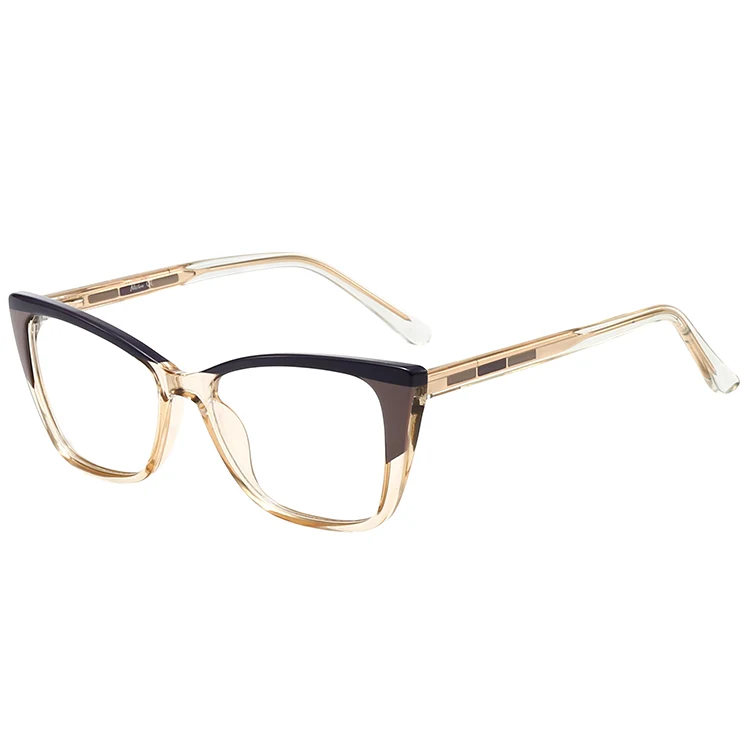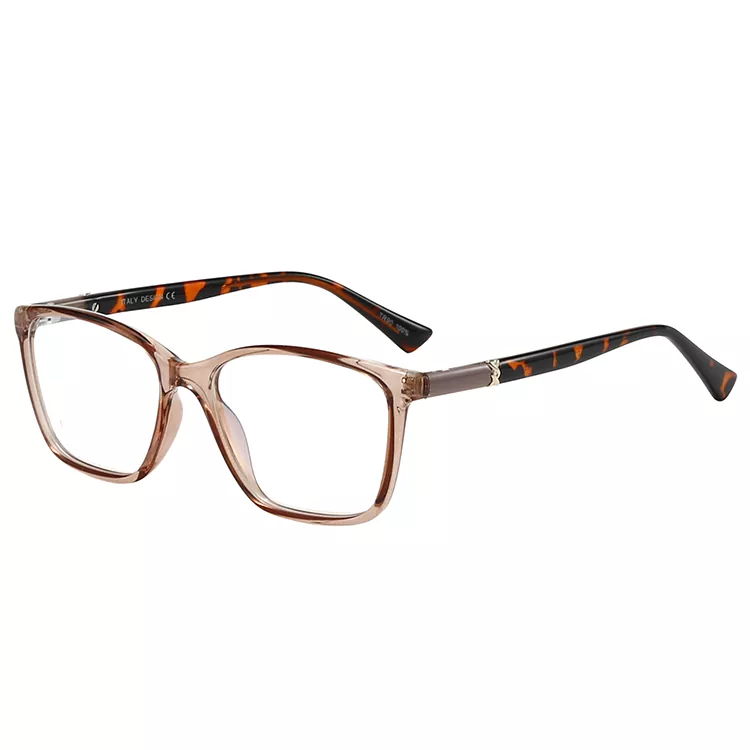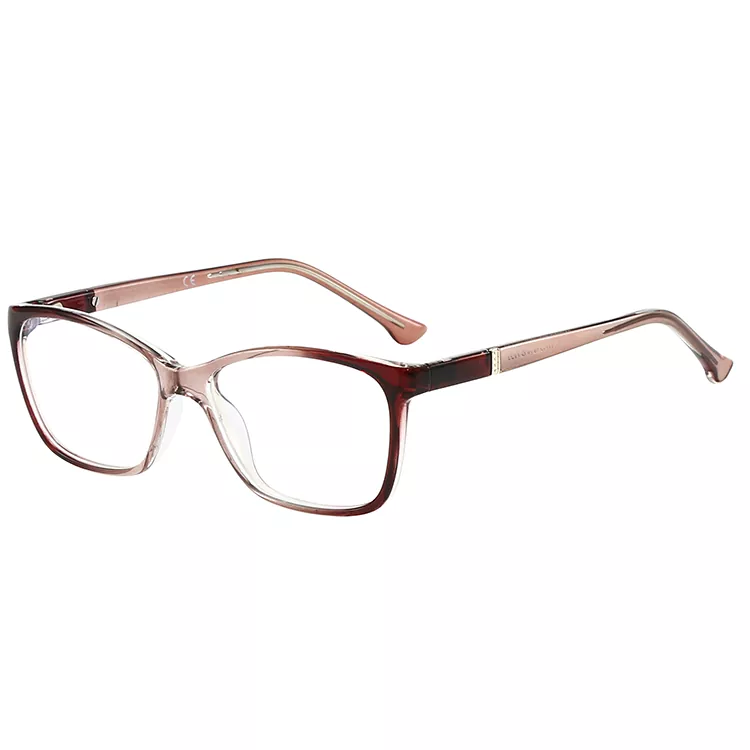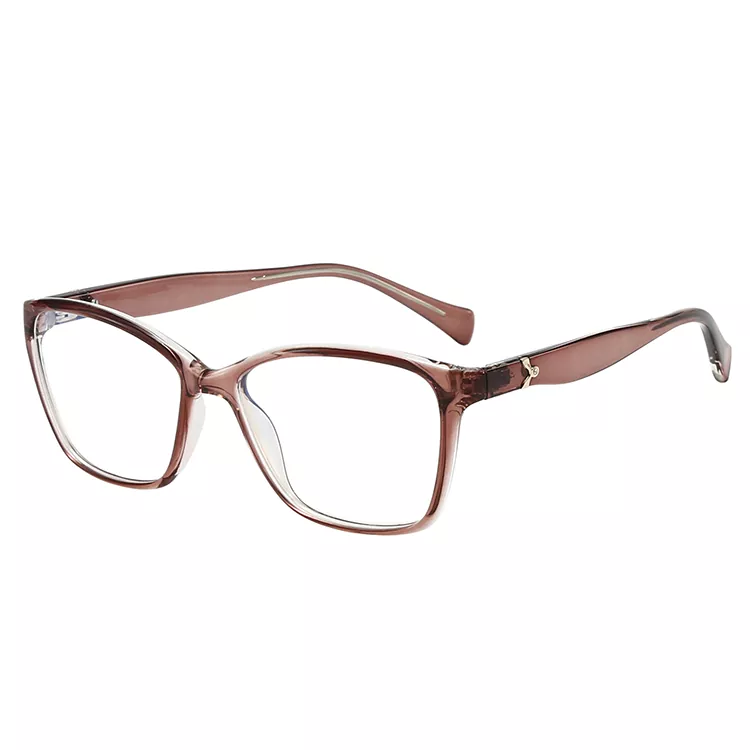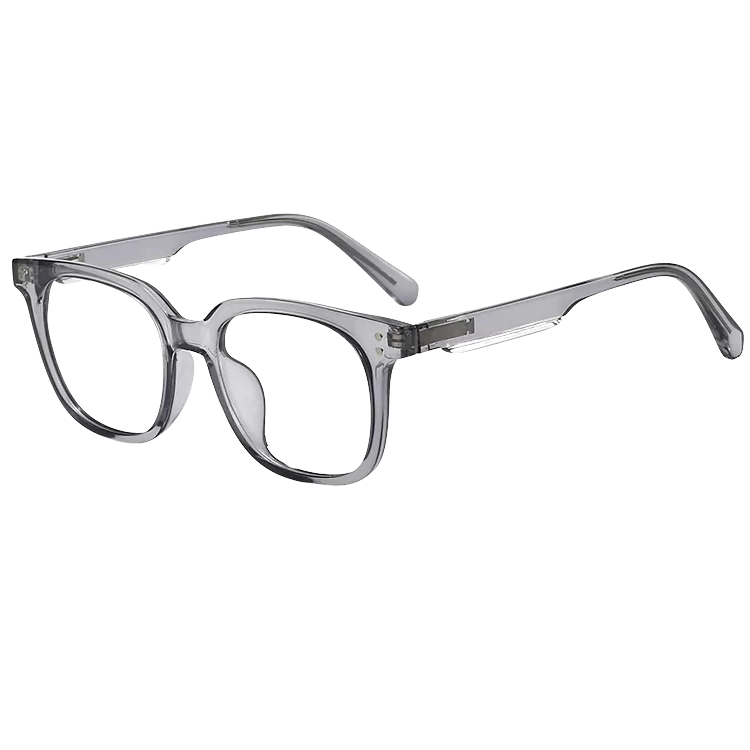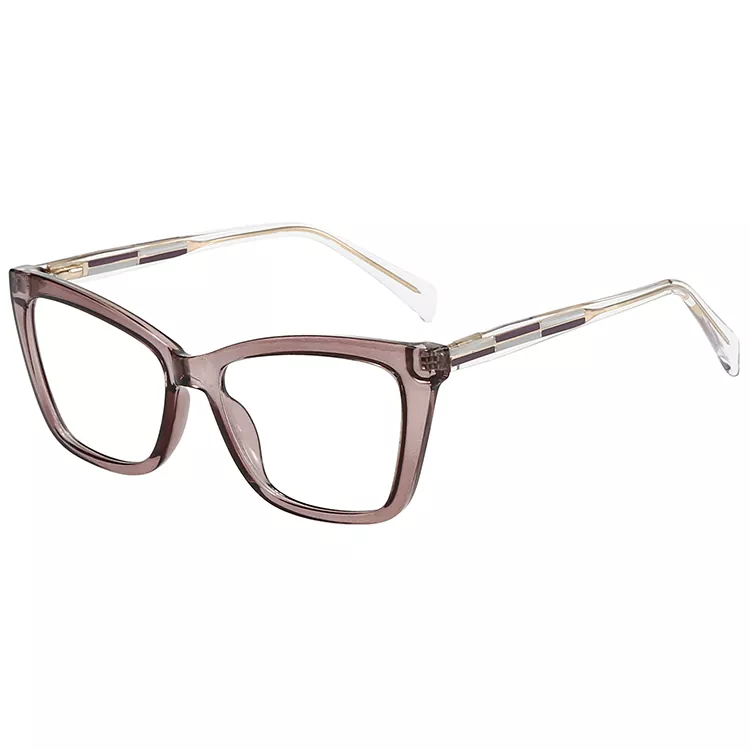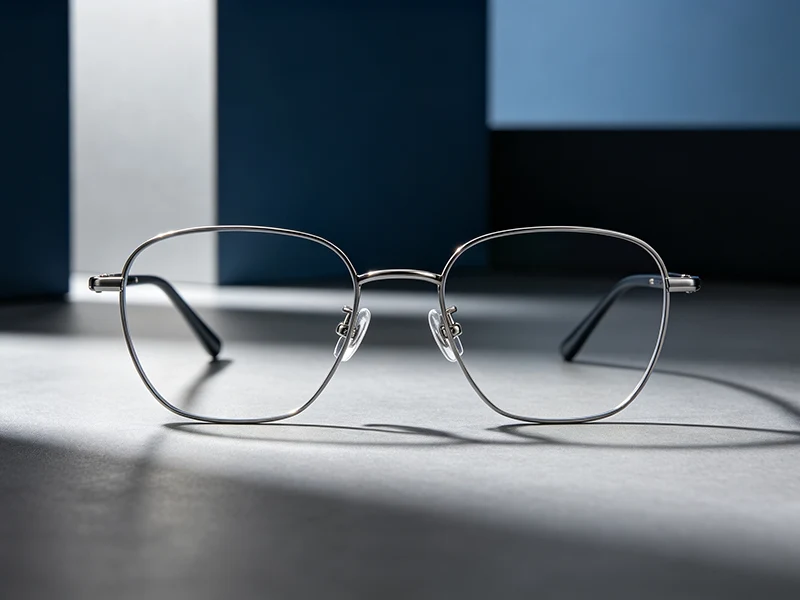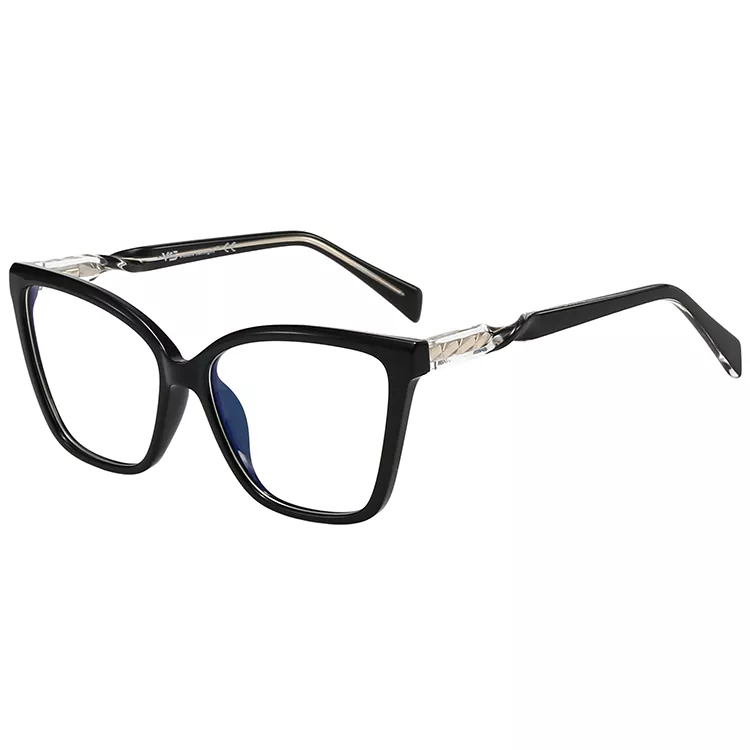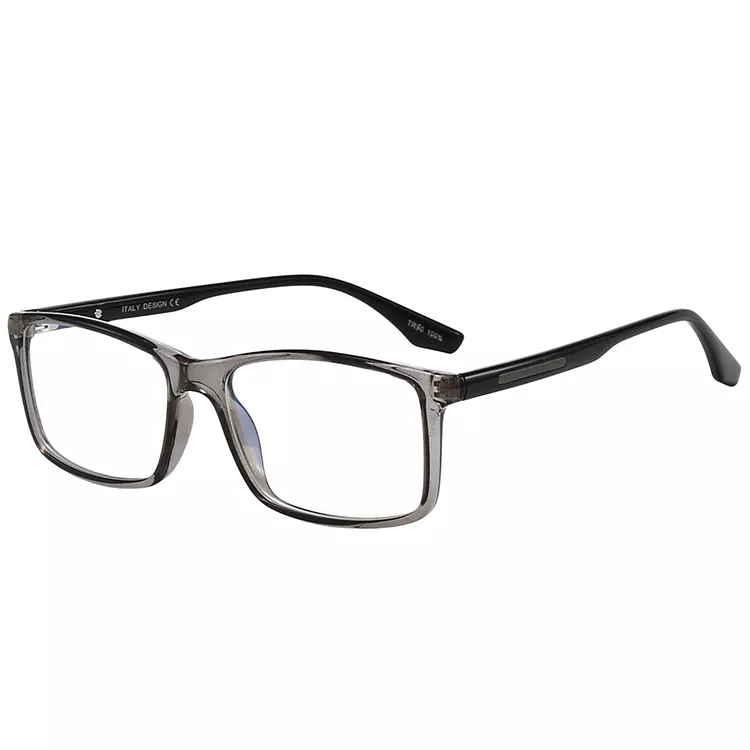

CP Injection Temple Glasses are eyewear frames built around injection-molded CP temple components, offering a practical way to separate the design treatment of the front frame from the side structure. The construction is relevant to optical collections, private-label programs, fashion-oriented ranges and OEM or ODM development because the front and temples can be developed with different visual directions while remaining part of one coordinated frame.
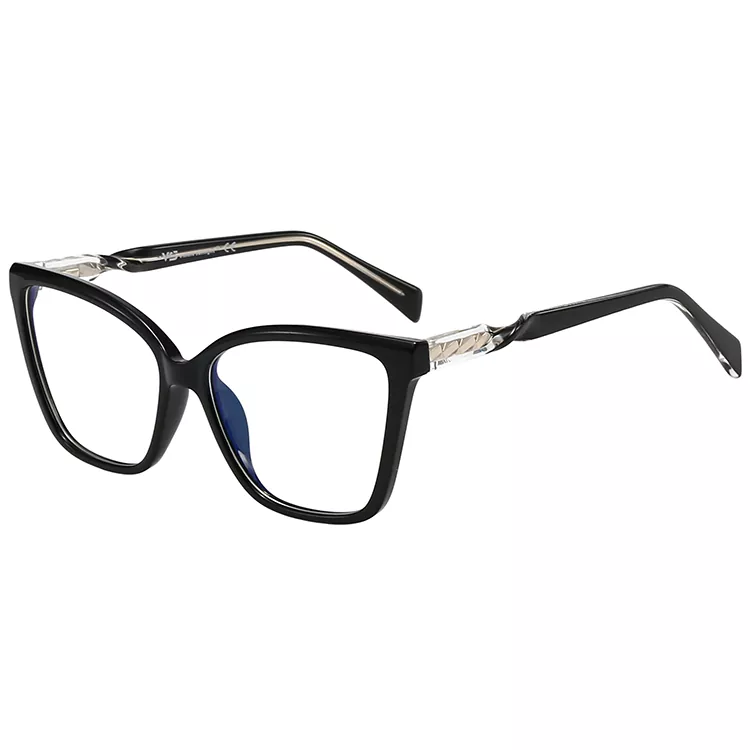
Select a section below to jump directly to the information you need.
- Understanding the Frame Construction
- How Injection Molding Shapes the Temple
- Key Construction Features
- How the Front and Temple Work Together
- Design Directions for Optical Collections
- Where This Construction Can Be Used
- OEM and ODM Development Considerations
- What to Check Before Selecting a Model
- Manufacturing Capabilities Behind the Category
- Frequently Asked Questions
Understanding the Frame Construction
In eyewear manufacturing, the temple is more than a supporting side piece. It affects the side profile, the balance of the frame, the visual relationship between the front and the wearer’s face, and the way the finished product communicates its design language. A CP temple developed through injection molding can therefore be treated as a dedicated design component rather than simply an extension of the front frame.
The basic construction uses CP material for the temple and shapes that component through an injection molding process. The mold determines the intended three-dimensional geometry, including the overall length, curvature, thickness and surface form. This makes it possible to develop temple structures that are difficult to reproduce through a simple flat or uniformly shaped plastic piece.
The front frame can use the same material concept or a different material, depending on the model. Some designs combine a TR90 front with CP temples. In that arrangement, the front and temple can be developed around different material characteristics and appearance goals. The front may carry a clean optical silhouette, while the temple introduces a contrasting color, transparent effect, layered surface or other side-profile detail.
Why the Temple Deserves Separate Design Attention
A frame can look simple when viewed from the front and become much more distinctive when the temple is inspected from the side. This is especially relevant for collections that need recognizable product details without changing the basic lens shape on every model.
A dedicated CP temple can make room for different thicknesses along the same component, controlled curves that follow the intended shape of the frame, layered sections, transparent areas, contrasting color blocks and small decorative accents. These details can alter the visual character of a model even when its front silhouette remains relatively familiar.
What the Term Tells Buyers and Product Teams
From a product-development perspective, the construction name communicates two useful pieces of information: the temple uses CP material, and the temple is produced through injection molding. That distinction matters when buyers compare different frame constructions because the production process influences how a side component can be shaped and what kinds of visual details can be integrated into it.
It also helps product teams discuss requirements more precisely. Instead of describing a frame only as a plastic optical style, a project can identify the desired temple material, molding approach, front material, shape, color relationship and decorative treatment. That creates a clearer starting point for model selection and customization discussions.
How Injection Molding Shapes the Temple
Injection molding is useful for eyewear components because a mold can define the geometry of the part in three dimensions. For temples, that means the design is not limited to a simple strip with a basic bend. The mold can establish the intended thickness, curvature, edge treatment, layered profile and selected decorative surfaces according to the product design.
The process starts with the intended part geometry. During development, designers consider how the temple should look from the outer side, inner side and top view, as well as how the component will connect to the front frame. Once the geometry is translated into a mold, production can reproduce the same structural form across the required quantity of finished frames.
From Shape Definition to Repeatable Production
For an eyewear collection, repeatability matters because the visual identity established during development needs to remain recognizable during production. An injection-molded component provides a defined form that can be reproduced rather than manually shaped one piece at a time.
This does not mean every CP temple has the same appearance. The opposite is possible. A manufacturing platform can support many model-specific temple geometries, provided each design is developed around its own requirements. One model may use a relatively clean straight profile, while another uses a thicker curved section, transparent areas or contrasting colors.
Design Freedom Does Not Replace Structural Planning
More styling possibilities still need to be coordinated with the practical construction of the frame. A temple is opened and closed repeatedly during normal use, so its shape, hinge area and internal structure must be considered together. Decorative details also need to be positioned in a way that remains compatible with the physical function of the component.
For that reason, model development should not treat appearance and structure as separate tasks. The strongest designs are those where the visual treatment follows the physical geometry of the temple instead of being added after the construction has already been fixed.
Key Construction Features
The category includes several construction approaches rather than one fixed frame formula. Understanding these details helps buyers compare models according to actual product characteristics instead of relying only on front-frame appearance.
- Injection-molded CP temples: The temple is formed as a dedicated CP component with a defined three-dimensional shape.
- TR90 front combinations: Selected designs pair a TR90 front with CP temples to create a mixed-material structure.
- Wire core spring construction: Certain models include an internal wire structure and spring-style mechanism within the temple.
- Detailed temple surfaces: Transparent sections, layered areas, color combinations, patterned treatments and metal accents can be used on selected designs.
- Multiple front silhouettes: Square, rectangular, rounded and cat-eye-inspired shapes can be developed within the same general product concept.
- Transparent and contrasting combinations: Front and temple colors can be coordinated or deliberately contrasted to create different collection directions.
Injection-Molded CP Temples
The defining feature is the use of CP material in the temple and an injection molding process to establish its form. This provides a controlled way to create side components with different widths, curves and surface profiles.
A temple can be designed with a consistent thickness when a clean appearance is needed, or it can include visually differentiated sections when the model calls for more detail. The geometry may also be adjusted to produce a distinctive transition between the hinge area and the rear section.
TR90 Front with CP Temple Options
A TR90 front paired with CP temples creates a two-material construction. The front can serve as the primary structural and visual frame area, while the CP temple provides a separate surface and side-profile treatment.
This arrangement is useful when a designer wants to keep a familiar front shape while introducing greater visual variation at the temples. It also allows color relationships to become part of the product concept. A neutral front, for example, can be coordinated with a more visible temple treatment, while a transparent front can be paired with a solid or layered side component.
Wire Core Spring Temple Construction
Selected models use an internal wire core combined with a spring-style temple structure. The wire provides internal support within the component, while the spring arrangement allows movement as the temples open and close.
This construction should be evaluated as a complete mechanism rather than as a decorative feature. The internal structure, temple dimensions, hinge area and movement range all contribute to the finished design. For buyers comparing models, these details can be useful when the goal is to distinguish different construction concepts within one collection.
Detailed Temple Design
Temple design often determines how much personality a frame has when viewed from the side. Injection molding allows the component to carry visual information such as layered colors, transparent segments, surface patterns and small accents without changing the basic front outline.
This is especially useful for collections that need more than one product personality. A brand can retain a common approach to front proportions while varying temple finishes from model to model. The result is a collection that can share a manufacturing concept while still offering meaningful visual differences.
How the Front and Temple Work Together
A well-designed frame should be considered as a relationship between its major components. The front frame determines the overall facial outline, lens opening and first visual impression. The temples contribute to the side profile, color balance, mechanical connection and the way the frame looks when viewed away from a direct front position.
When the temple uses a separate material or a distinct treatment, designers can create a deliberate visual hierarchy. The front may remain restrained while the temple carries stronger color or pattern. Alternatively, the front can become the visual focus while the temple uses a simple, coordinated finish.
| Frame Area | Primary Role | Typical Design Considerations |
|---|---|---|
| Front Frame | Defines the main facial outline and lens shape | Silhouette, proportions, color, transparency and overall visual direction |
| Temple | Extends the frame structure and shapes the side profile | Length, curvature, thickness, surface treatment, color and decorative details |
| Hinge Area | Connects front and temple while supporting opening and closing | Construction, alignment, movement and compatibility with the selected temple design |
| Internal Structure | Supports selected temple configurations | Wire core, spring-style mechanism and model-specific structural requirements |
Visual Balance Between Two Materials
Mixed-material construction works best when the two materials appear intentionally related. The relationship can be based on color, contrast, transparency, proportion or shape. A subtle combination might use a clear front with a lightly contrasting temple, while a stronger fashion direction may use a more obvious difference between the two areas.
The side profile should also be considered from normal wearing positions. A temple that appears detailed in a flat product image can look very different when the frame is viewed from a three-quarter angle. Model development therefore benefits from checking how the temple interacts visually with the front, not only how each component looks in isolation.
Why Side Details Can Change the Character of a Collection
Two frames with nearly identical front silhouettes can feel completely different because of their temples. One may appear conservative because the temple is slim and visually quiet. Another may appear contemporary because the temple uses stronger geometry, transparent sections or layered color treatment.
That flexibility can help a product range cover several styling directions without creating unrelated manufacturing concepts for every model. It also gives product teams another design variable to work with when refreshing a collection.
Design Directions for Optical Collections
The category can support both practical optical styling and more design-led frame programs. The difference usually comes from how the front silhouette, temple geometry, color treatment and decorative detail are combined.
Clean Optical Styling
Square and rectangular fronts can provide a straightforward optical appearance. When paired with a restrained temple, these shapes can remain visually clean and easy to integrate into an everyday collection. Neutral or transparent colors can reinforce that direction.
In this approach, the temple does not need to compete with the front. Its purpose may simply be to support the frame construction while adding a small material or profile distinction that gives the product more character than a uniform one-material design.
Contemporary Color Contrast
Color contrast becomes more visible when the front and temples are developed as separate components. A transparent or translucent front can be combined with a more saturated side component, while a solid front can use a lighter temple for a softer contrast.
Such combinations can help separate models within the same family. The front silhouette may remain consistent across several products, while differences in temple color create a recognizable variation from one style to the next.
Fashion-Oriented Geometry
Modified cat-eye-inspired fronts, layered temple sections and more noticeable side profiles can move a frame toward a fashion-oriented direction. The design remains grounded in the same general construction, but the visual emphasis shifts toward the details that appear at the sides of the face.
This approach is also useful when a collection needs statement pieces alongside more conservative optical styles. Instead of changing the entire manufacturing concept, product development can focus on different combinations of front shape and temple treatment.
Understated Direction
- Clean rectangular or square front shapes
- Controlled temple thickness
- Limited color contrast
- Simple side-profile treatment
More Expressive Direction
- Modified or rounded front silhouettes
- Layered or patterned temple areas
- Transparent and contrasting combinations
- Distinctive side details and accents
Both approaches can exist within one broader product program. The choice depends on the intended collection style, target visual language and how much distinction is required between individual models.
Where This Construction Can Be Used
Injection-molded CP temple construction can be applied across several eyewear programs because the frame concept is not limited to a single front shape or one visual direction. It can be adapted to prescription optical collections, private-label projects, fashion frame ranges and customized seasonal programs.
For optical collections, buyers can compare different front dimensions, lens shapes and temple treatments according to the intended model. The construction also provides a practical way to introduce visual variation without requiring every product to use an unrelated frame architecture.
For private-label programs, the focus may shift toward coordinated product details such as frame colors, logo treatment, temple appearance and packaging specifications. The product can then be developed around the agreed requirements of the individual program.
Seasonal collections can also benefit from the range of visual options. A product line may use transparent combinations for one direction, more solid color blocking for another and cleaner optical silhouettes for everyday styles. Because the construction supports different front and temple treatments, product teams have more than one design variable to adjust.
Prescription Optical Collections
Prescription-oriented collections can use different front shapes and dimensions depending on the intended model. The main consideration is to ensure that the selected frame construction and lens configuration correspond to the product specification under development.
The temple remains important in this setting because optical frames are often judged from multiple angles, not only by the lens shape seen from the front. A coordinated temple design can help the finished frame look complete from the side as well as from the front.
Private-Label Programs
Private-label eyewear often requires a clear connection between the core frame design and the customer's product identity. That may involve agreed frame colors, branding details, side treatment and packaging.
The construction allows these discussions to be more specific because front and temple can be considered separately. Buyers can decide whether the brand expression should be concentrated on the front, the temples, or a coordinated combination of both.
Customized Seasonal Ranges
A seasonal program may require a wider range of visual styles within one development cycle. One group of models can use restrained shapes for everyday wear, while another uses stronger color contrasts, transparent sections or more elaborate temple details.
This ability to vary styling while retaining a related manufacturing concept can make the collection architecture easier to organize. The goal is not to make every frame look identical, but to ensure that the differences are intentional and understandable.
For customized programs, final specifications should be confirmed according to the individual project. Frame dimensions, color combinations, logo treatment, temple details and packaging requirements should be discussed together so that design decisions remain compatible with the actual production structure.
OEM and ODM Development Considerations
OEM and ODM development is most effective when the product requirements are defined in terms of both appearance and construction. For a mixed-material frame, it is not enough to specify the front shape alone. The temple geometry, material relationship, hinge arrangement and surface treatment all contribute to the final product.
Development can begin from an existing model, a drawing, a detailed specification or a broader design direction. Existing styles may be used as a starting point for discussing changes to colors, temple geometry, logo placement, packaging and other agreed product details.
Information That Helps During Development
- Define the preferred front silhouette, such as square, rectangular, rounded or cat-eye-inspired styling.
- Identify the required front material and whether a mixed-material construction is desired.
- Describe the intended CP temple shape, thickness, curvature and visual treatment.
- Confirm whether the design requires a standard temple construction or a wire core spring configuration.
- Specify color relationships between the front, temple and any selected decorative accents.
- Clarify logo treatment, packaging and other project-specific branding requirements.
Working from Drawings and Specifications
Drawings and dimensional specifications help turn visual concepts into manufacturable components. For the temple, useful information can include overall length, curvature, thickness, transitions between sections and the location of any decorative elements.
Clear documentation also reduces ambiguity during discussions. When the front and temples use different materials, both parts should be reviewed as a coordinated system rather than as separate products. A change in one part can affect how the other part appears or connects.
Balancing Customization with Existing Product Platforms
Not every project needs to start from an entirely new frame. Existing designs can provide a practical basis for discussing modifications. A buyer may prefer to keep an established front silhouette while changing the temple color, side profile or logo treatment.
This approach can be especially useful when the intended product requires controlled differentiation rather than a complete redesign. The important point is to identify which characteristics are fixed and which can be adjusted during development.
What to Check Before Selecting a Model
Comparing models only by front shape can hide meaningful differences. A closer evaluation should consider the complete frame structure and the way the temple construction supports the intended design.
| Selection Point | Questions to Ask | Why It Matters |
|---|---|---|
| Front Shape | Is the silhouette square, rectangular, rounded or cat-eye-inspired? | Sets the main facial outline and the overall visual direction. |
| Temple Geometry | What are the length, curvature and thickness characteristics? | Changes the side profile and the physical relationship between front and temple. |
| Material Combination | Is the front paired with CP temples, and what is the front material? | Influences both appearance and the construction concept. |
| Hinge Structure | How is the temple connected, and is a spring-style mechanism used? | Affects the opening and closing structure of the frame. |
| Color Direction | Are the front and temple coordinated, contrasting or transparent? | Determines how strongly the two components visually interact. |
| Surface Details | Are there layered sections, patterns, transparent areas or metal accents? | Helps distinguish the model within a broader collection. |
| Customization Scope | Which colors, logo details, temple features and packaging elements can be adjusted? | Clarifies the practical scope of an OEM or ODM project. |
Look Beyond the Front View
A frame can appear conventional in a straight-on image while having a more distinctive side profile. Buyers should therefore review the temple from several angles whenever possible. The curvature, thickness transition and relationship between front and temple can change the character of the entire model.
Consider Collection Consistency
Product selection should also consider how one model relates to the others in the same range. A useful collection does not necessarily require identical construction details, but it benefits from a recognizable relationship between shapes, colors and side treatments.
For example, several rectangular models can share a related temple language while using different color combinations. A second group may introduce rounded or cat-eye-inspired fronts while preserving selected side details. The result can be varied without appearing disconnected.
Separate Fixed Requirements from Flexible Details
Before development starts, it helps to divide requirements into fixed and adjustable elements. Fixed requirements may include the general front shape, intended material combination or selected temple mechanism. Flexible elements may include colors, logo treatment, surface details and packaging.
This distinction makes technical discussions clearer and reduces unnecessary revisions. It also gives designers room to explore visual options without changing the core frame concept every time a color or decorative treatment is updated.
Manufacturing Capabilities Behind the Category
Hongtu Eyewear is based in Taizhou, Zhejiang, China, and develops eyewear frames across injection-molded CP, TR90 and PC constructions as well as metal eyewear, sunglasses and children's eyewear. Its product-development and manufacturing capabilities support customers that need to discuss frame structure together with customization requirements.
The company has more than 15 years of experience in the eyewear industry and operates a production base of approximately 5,000 square meters with four professional production lines. Annual output approaches 2 million pieces. These capabilities are relevant when a product program includes both regular production and OEM or ODM development requirements.
For mixed-material frame projects, the manufacturing side needs to understand more than the visible front shape. Temple geometry, material combinations, logo treatment and model-specific decorative details all need to be considered as part of the finished product.
This combination of product development and manufacturing can be useful when the buyer needs to discuss not only what a frame should look like, but also how the front and temples should be constructed as one finished product.
For projects with defined requirements, detailed communication around the frame silhouette, CP temple design, material combination, colors and branding elements can help establish a clear product specification before production decisions are finalized.
Frequently Asked Questions
Q1: What material are the temples made from?
The temples in this category use CP material and are produced through an injection molding process. The exact front-frame material depends on the individual model, with selected designs using a TR90 front.
Q2: What is the difference between a CP temple and a standard plastic temple?
A CP temple is developed as a dedicated component with its own material and injection-molded structure. This allows the side component to have its own shape, thickness, curvature and surface treatment instead of simply following the same construction as the front frame.
Q3: What is a wire core spring temple?
A wire core spring temple is a temple construction that contains an internal wire structure together with a spring-style mechanism. The internal wire provides support, while the spring arrangement allows controlled movement when the temples are opened and closed.
Q4: Can CP temples be combined with TR90 frames?
Yes. A TR90 front combined with CP temples is one of the mixed-material constructions used in this product category. The combination allows the front and temples to have different material characteristics and separate visual treatments while remaining part of the same frame.
Q5: Are these frames suitable for prescription eyewear?
Yes. Depending on the model, these frames can be developed for optical use with dimensions and lens configurations suited to the intended product design. The exact specification should be confirmed according to the selected model and project requirements.
Q6: Can the frames be customized for OEM or ODM projects?
Yes. OEM and ODM development can include agreed requirements for frame colors, logo treatment, temple details, packaging and other product specifications. Existing models, drawings or defined requirements can be used as the basis for discussing the desired changes.
Q7: Which front shapes can be used with this construction?
The category can include square, rectangular, rounded and cat-eye-inspired front shapes. The exact combination depends on the individual model and how the front geometry is coordinated with the selected temple design.
Q8: Can transparent and contrasting colors be used together?
Yes. Transparent fronts, translucent effects and contrasting temple colors can be combined on selected designs. These combinations can create a stronger distinction between the front and side of the frame while keeping the overall product visually coordinated.
Q9: What information should be prepared for a customized eyewear project?
Useful information includes the preferred front shape, front material, temple construction, temple dimensions or visual direction, color requirements, logo treatment, packaging specifications and any existing drawings or model requirements. Providing these details helps the development discussion stay focused on the actual product.
Start with a Clear Frame Specification
A well-defined eyewear specification makes it easier to evaluate the right front shape, temple construction, color relationship and customization scope for the intended collection. Clear requirements can also help keep design and manufacturing discussions aligned from the beginning.
contact us to discuss your frame requirements and customized eyewear program
Discuss Your Requirements