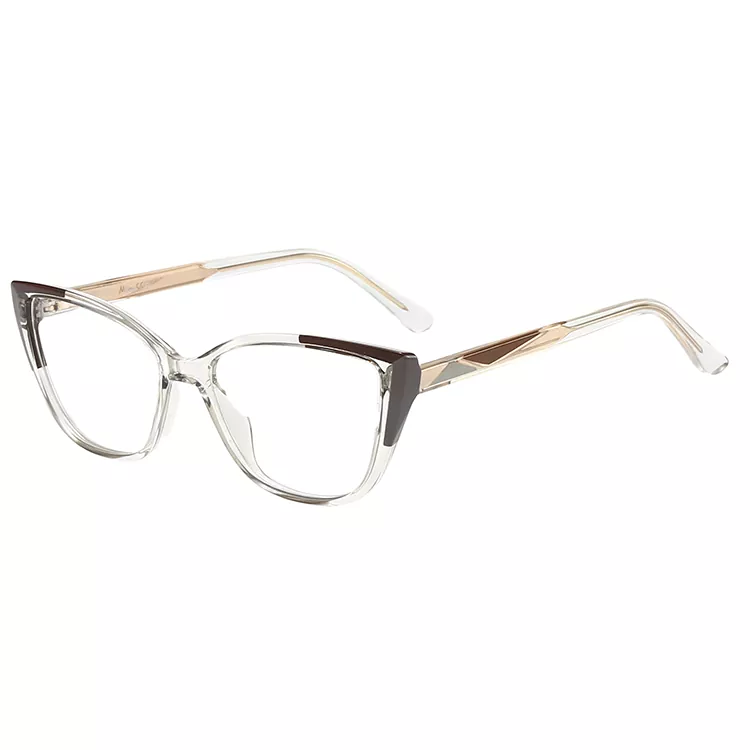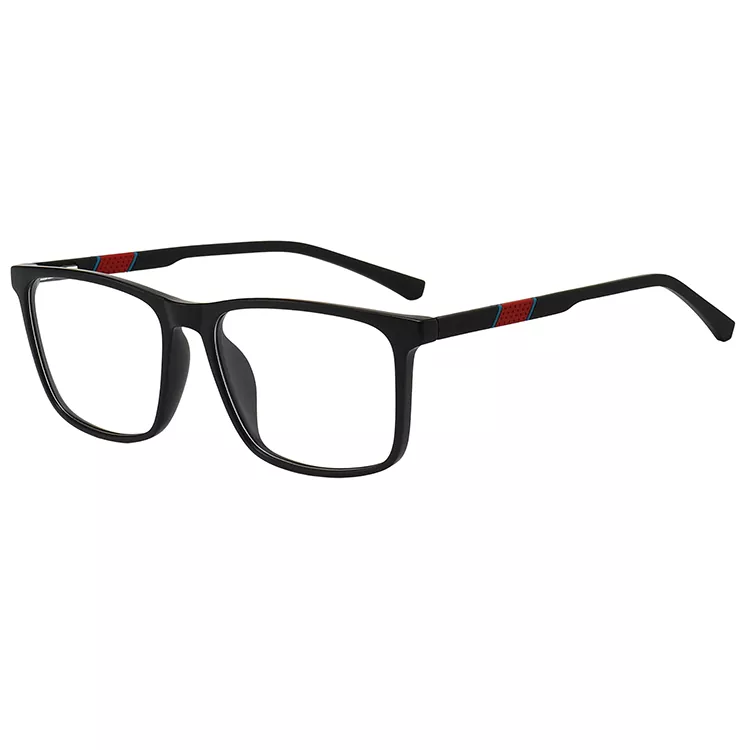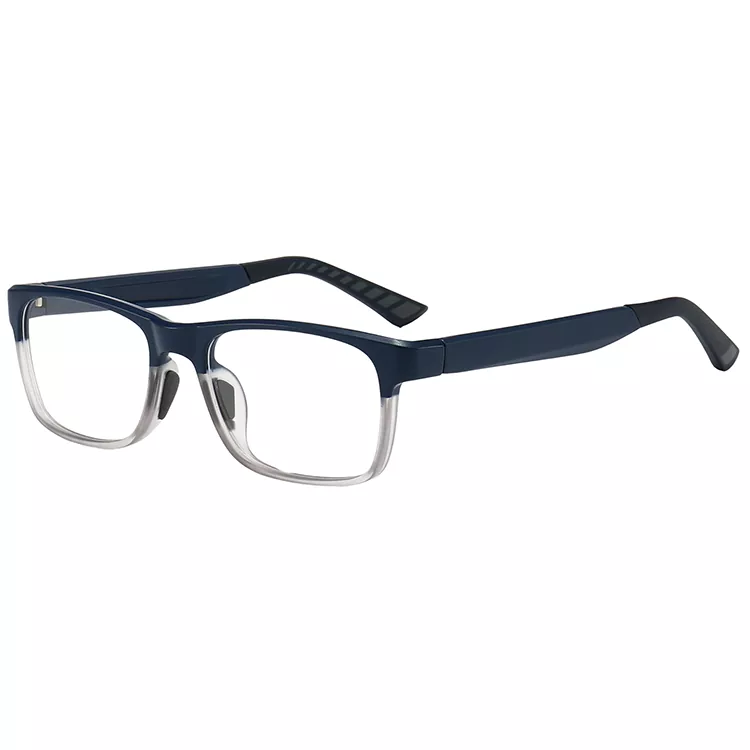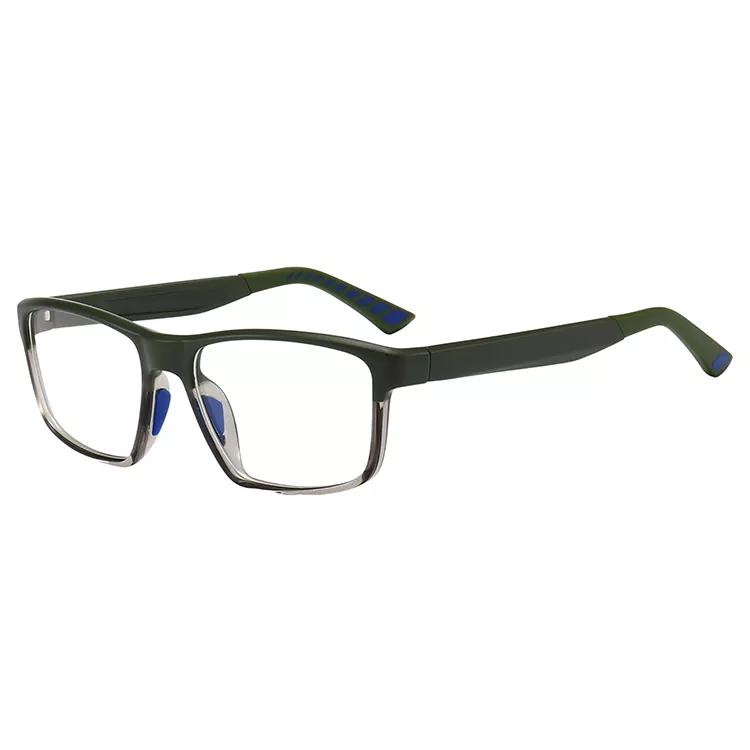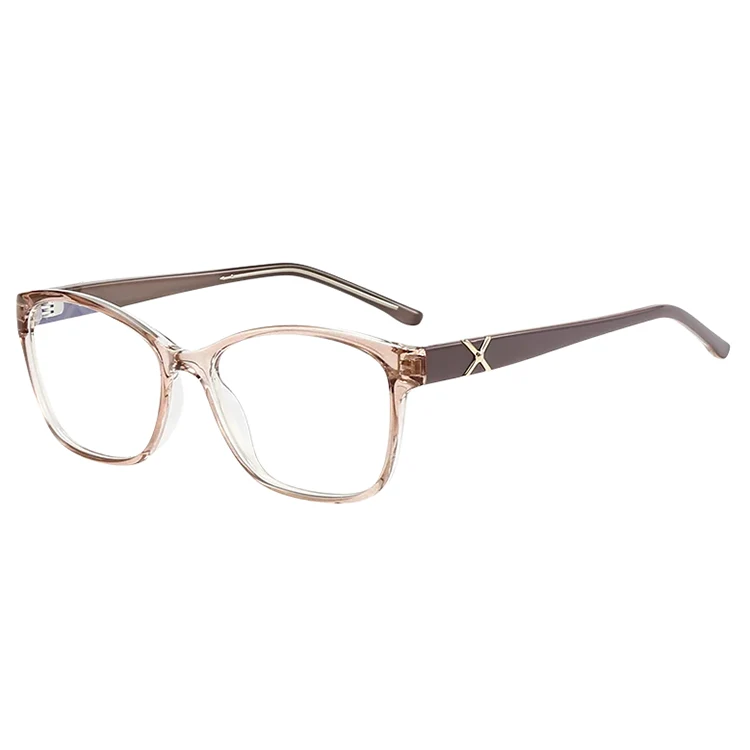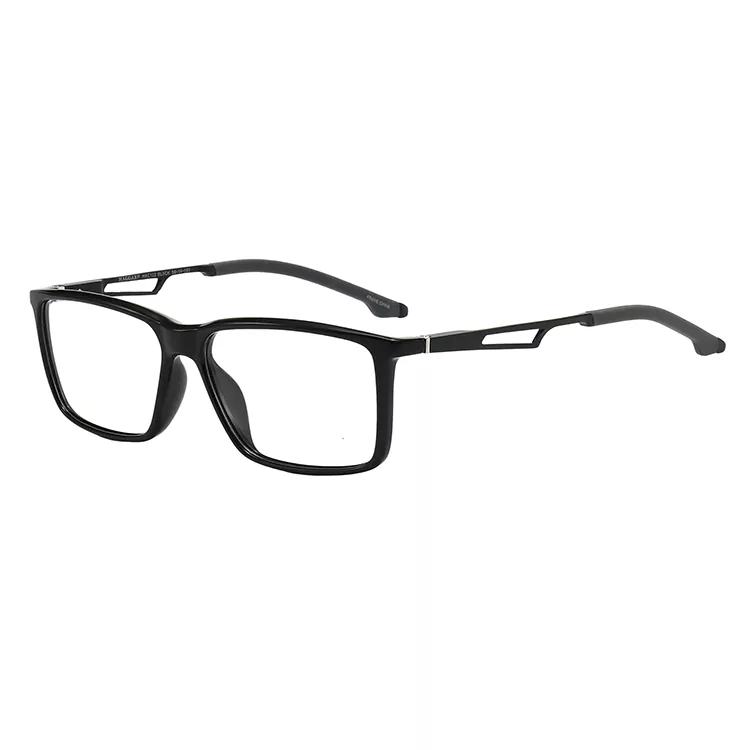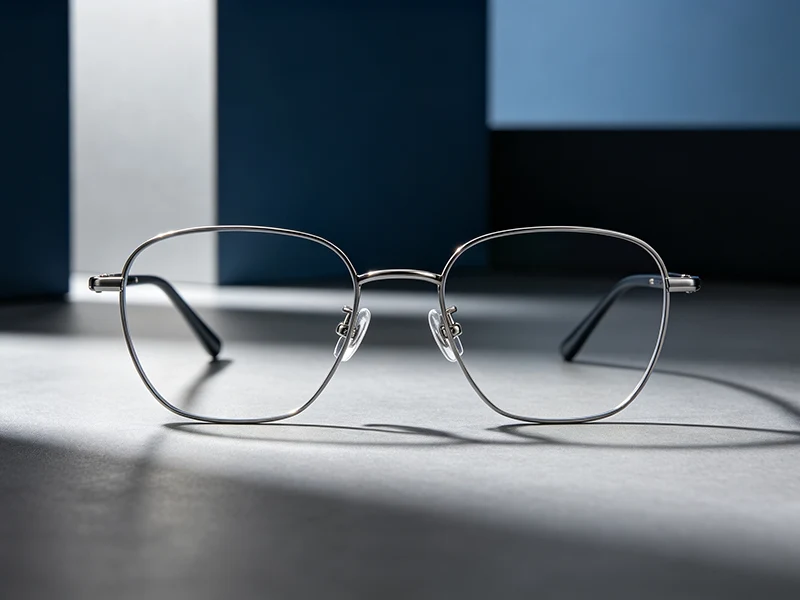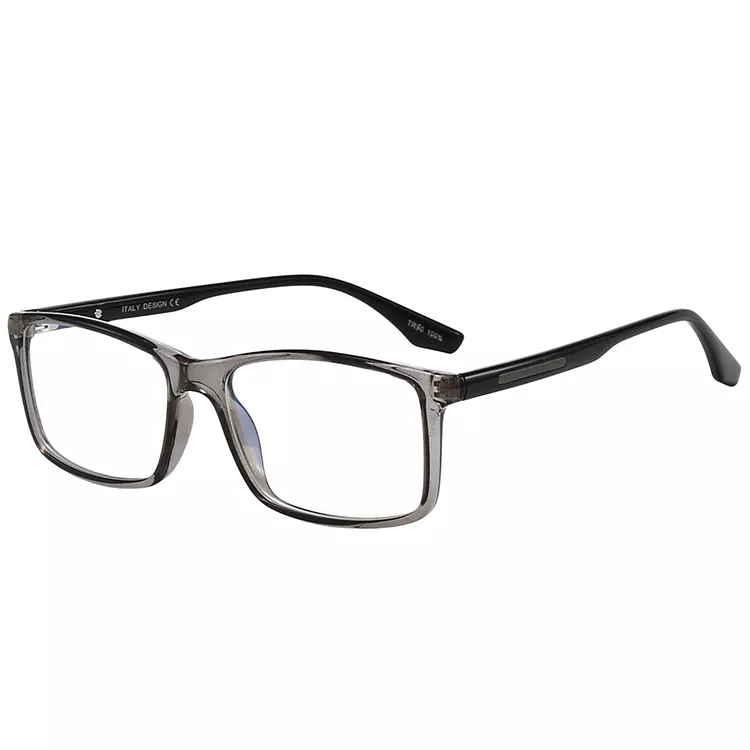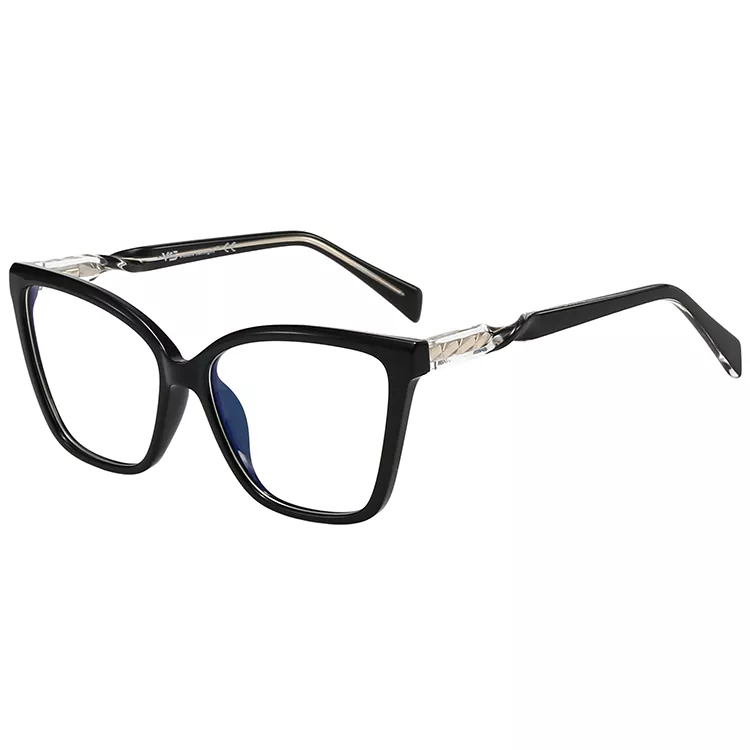

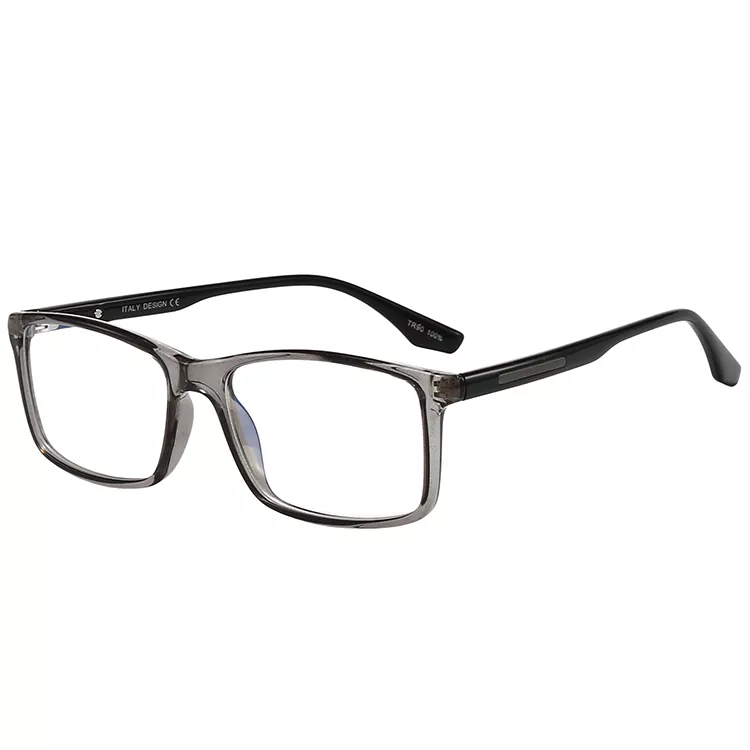
1. What Are TR90 Injection Glasses?
TR90 injection glasses are eyewear products made with a lightweight, flexible thermoplastic polyamide frame material commonly associated with the TR90 name. The frames are manufactured using injection molding, a process that shapes heated plastic material inside a precision mold.
TR90 is widely associated with flexible eyewear because it combines low weight with useful toughness and shape recovery. These properties make it suitable for optical frames and sunglasses designed for everyday use, travel, outdoor activities, and active lifestyles.
However, buyers should understand that the name TR90 alone does not guarantee identical performance across every product. Resin grade, material sourcing, frame geometry, molding conditions, hinge construction, and assembly quality can all influence the finished glasses.
What Makes TR90 Different From Ordinary Plastic Frames?
Some conventional injection-molded plastics are relatively rigid and may crack when exposed to excessive bending or impact. Properly formulated and manufactured TR90 frames can provide greater flexibility and better recovery from ordinary deformation.
Another important advantage is weight. A lighter frame can reduce pressure around the nose and ears, especially when glasses are worn for several hours. For consumers who find heavy frames uncomfortable, this characteristic can make a meaningful difference.
TR90 is not indestructible, though. Excessive force, prolonged exposure to unsuitable temperatures, poor hinge design, or manufacturing defects can still cause damage. Product quality depends on the complete frame design rather than the material name alone.
What Does Injection Molding Mean for Eyewear?
Injection molding allows manufacturers to produce frame fronts and temples in carefully designed shapes. Once a mold and its production parameters are established, the process can support repeatable dimensions, consistent appearance, and efficient manufacturing.
This makes TR90 injection glasses attractive to eyewear brands and wholesale buyers who need coordinated collections, repeat orders, or product lines with multiple colors and sizes.
2. How Does TR90 Injection Molding Work?
The manufacturing process involves more than placing plastic into a mold. Material preparation, mold design, temperature control, cooling, finishing, and inspection all influence the final product.
- Material preparation: The selected resin is prepared according to the material supplier's processing recommendations.
- Injection molding: The material is heated and injected into a mold designed for the required frame geometry.
- Cooling and demolding: The molded component cools before being removed from the mold.
- Finishing: Components are inspected and finished as required, including trimming and surface treatment.
- Assembly: Hinges, temples, lenses, and other specified components are fitted together.
- Quality inspection: The finished glasses are checked for dimensions, appearance, fit, assembly, and applicable product requirements.
Why Does Manufacturing Precision Matter?
Small variations can lead to practical problems. A poorly formed lens groove may affect lens fitting, while inconsistent temple dimensions can create an uneven fit. Weak hinge attachment or inadequate assembly can shorten the product's useful life.
For this reason, buyers should evaluate the finished frame and the supplier's production controls rather than relying solely on attractive product photographs or a material description.
For custom projects, it is helpful to approve a physical sample before mass production. The approved sample can serve as a reference for dimensions, color, finish, logo placement, and overall fit.
3. What Benefits Do TR90 Frames Offer?
Lightweight Construction for Extended Wear
Frame weight affects comfort throughout the day. Heavy eyewear may create pressure on the bridge of the nose or behind the ears, particularly when the frame is oversized or fitted with heavier lenses.
TR90's relatively low density helps manufacturers create lightweight frames without relying on an extremely thin design. The actual weight still depends on frame size, thickness, lens type, and additional components.
Flexibility for Everyday Handling
TR90 is valued for its ability to flex under suitable conditions and recover its original shape. This can help the frame tolerate ordinary handling better than some rigid, brittle plastics.
For families, travelers, and active consumers, flexibility may be a useful feature. Nevertheless, frames should not be deliberately twisted or bent beyond their intended operating range, and flexibility should never be treated as a guarantee against breakage.
Practical Resistance to Daily Wear
Well-designed TR90 frames can perform reliably during normal use. Material selection and frame construction may help the product withstand everyday handling, but hinges, screws, lens retention, and assembly remain important potential failure points.
Buyers should also consider the intended environment. Products used in sports, outdoor recreation, or children's eyewear may need additional design and testing considerations.
Versatile Colors and Contemporary Shapes
Injection molding supports a broad selection of frame silhouettes, including rectangular, rounded, geometric, and sport-inspired designs. Depending on the resin, mold, and finishing process, manufacturers can offer solid colors, translucent effects, matte surfaces, and glossy finishes.
This versatility allows brands to develop coordinated collections for different age groups, customer preferences, and retail channels. However, some intricate layered effects associated with premium acetate require different manufacturing techniques and may not be directly reproducible in TR90.
Efficient Production for Commercial Orders
Once tooling and process settings are established, injection molding can support repeatable production. This can be useful for wholesale orders, private-label collections, and retailers that require consistent products across multiple shipments.
Actual cost efficiency depends on mold investment, order volume, frame complexity, material specification, finishing requirements, and quality inspection. Buyers should compare total project costs instead of looking at unit price in isolation.
4. Which Applications Suit TR90 Eyewear?
TR90 injection glasses can serve several market segments, but the best application depends on the frame design, lens specification, and required performance.
Everyday Optical Glasses
Lightweight construction makes TR90 a practical option for prescription eyewear intended for office work, study, commuting, and general daily activities. Frame dimensions and bridge design should match the wearer's facial structure to provide stable positioning.
Sports-Inspired and Outdoor Eyewear
Flexible frames are commonly used in sport-inspired eyewear and selected outdoor styles. For actual sports use, buyers should assess retention, coverage, lens impact performance, and whether the finished product is appropriate for the intended activity.
A TR90 frame alone does not make sunglasses protective equipment. Lens performance, applicable testing, and product suitability must also be considered.
Children's Glasses
Lightweight construction and flexibility can make TR90 an appealing option for children's frames. Appropriate sizing is particularly important because oversized glasses may slide, while undersized frames may create uncomfortable pressure.
For children's products, buyers should examine component security, edge finishing, hinge durability, and applicable safety requirements. No frame material should be described as unbreakable or automatically safe for every child.
Private-Label and Promotional Eyewear
Brands seeking a consistent appearance across a range of products may benefit from injection-molded designs. Custom colors, logos, packaging, and selected frame details can help create a recognizable product identity.
Before launching a new collection, businesses should assess the target retail price, anticipated demand, packaging needs, and repeat-order requirements.
5. How Does TR90 Compare With Other Frame Materials?
Choosing an eyewear material requires balancing comfort, design, durability, manufacturing cost, and customer expectations. No single material is ideal for every product category.
| Material | Main Characteristics | Common Applications | Points to Consider |
|---|---|---|---|
| TR90 | Lightweight, flexible, with useful shape recovery | Everyday glasses, sport-inspired frames, children's eyewear | Fit, hinge construction, mold quality, and material verification |
| Acetate | Rich color depth, layered patterns, polished finishes | Fashion eyewear and premium-looking frames | Can be heavier depending on design; manufacturing and finishing may be more labor-intensive |
| Polycarbonate (PC) | Lightweight and useful for selected impact-resistant applications | Budget eyewear and certain sport-oriented designs | Performance varies with formulation, frame design, and processing |
| Metal | Thin profiles, precise detailing, and potential for fit adjustments | Professional, minimalist, and classic fashion styles | Alloy composition, corrosion resistance, plating, and skin-contact requirements |
When Is TR90 the Better Fit?
TR90 is worth considering when the product brief prioritizes low weight, everyday flexibility, practical styling, and scalable production. It may be particularly suitable for collections that need several color variations or a consistent frame design across multiple orders.
When Should You Consider Another Material?
Acetate may be a better choice when a collection depends on deep layered patterns, substantial visual depth, or a premium hand-polished appearance. Metal may be more appropriate for thin, adjustable designs, while other engineering plastics may suit projects with different cost or performance targets.
The most effective approach is to compare physical samples under the same requirements rather than assuming one material is universally superior.
6. What Should You Check Before Buying TR90 Glasses?
Whether purchasing a single pair or developing a wholesale collection, evaluate the complete product rather than focusing only on the frame material.
Frame Fit and Dimensions
- Check the frame width against the intended wearer's face.
- Assess bridge comfort and whether the glasses remain in position.
- Confirm temple length and pressure around the ears.
- Check whether the frame shape suits the intended lens prescription or sunglasses lens.
Hinge and Assembly Quality
Open and close the temples several times to check for smooth movement, excessive looseness, or uneven resistance. Inspect screw placement, hinge attachment, and alignment between the left and right sides.
Surface Finish and Color Consistency
Examine the frame under normal lighting. Look for visible molding defects, rough edges, unwanted marks, uneven gloss, or color differences between components. For commercial orders, agree on an acceptable color reference before production.
Material and Product Documentation
If a project specifies a particular resin grade, ask the supplier to identify the material and provide supporting documentation where available. A generic description such as "TR90" may not establish the precise resin formulation used.
For sunglasses and specialized eyewear, also confirm the lens specification and the product requirements applicable to the destination market. Frame material claims and lens performance claims should be assessed separately.
7. How Can Buyers Evaluate TR90 Frame Quality?
Quality control helps reduce avoidable defects, inconsistent deliveries, and customer complaints. A reliable assessment should cover incoming materials, molded components, assembled products, and the final shipment.
Incoming Material Checks
Confirm that the delivered material matches the approved specification. Where traceability is important, request appropriate material identification records and supporting documents from the supplier.
Dimensional and Visual Inspection
Use agreed measurements and an approved sample to check frame width, bridge dimensions, temple length, symmetry, and other critical features. Visual inspection should identify flash, sink marks, discoloration, rough edges, and other visible defects.
Functional Checks
Evaluate temple movement, hinge stability, lens retention, and overall frame alignment. Where relevant, establish suitable flex, impact, or durability tests based on the product's intended use and the applicable requirements.
Test methods and acceptance limits should be defined before production. Informal bending demonstrations alone cannot establish the safety or durability of a finished eyewear product.
Lens and Compliance Verification
For prescription frames, confirm compatibility with the intended lenses and fitting process. For sunglasses, verify relevant optical properties, UV claims, labeling, and applicable market standards through appropriate documentation or testing.
Buyers importing eyewear should determine which requirements apply in their destination country. Supplier statements should be supported by relevant records when compliance is required.
Pre-Shipment Inspection
Before dispatch, check the finished products against the approved sample and purchase order. Confirm quantities, color assortments, packaging, labels, logos, and any agreed inspection criteria.
Clear specifications and written acceptance standards help both buyer and manufacturer resolve quality issues more efficiently.
8. What Customization Options Are Available?
Customization allows eyewear businesses to build collections that reflect their brand identity and target audience. Available options depend on the manufacturer's tooling, production capabilities, materials, and order requirements.
Frame Shapes and Sizes
Common options include round, rectangular, oval, geometric, and sport-inspired silhouettes. Buyers can discuss frame proportions, temple shape, bridge dimensions, and other design details to suit their intended market.
Color and Surface Finish
Potential options include solid colors, selected translucent shades, matte finishes, and glossy surfaces. For repeat orders, establish an approved color sample and specify any acceptable variation.
Logo and Private-Label Branding
Depending on the design, branding may be applied to the temples, frame components, packaging, or accompanying accessories. Logo size, position, durability, and legibility should be confirmed during sample approval.
Lenses and Packaging
Prescription lenses, tinted lenses, polarized sunglasses lenses, and other configurations may be available depending on the product and supplier's capabilities. Buyers should confirm lens specifications independently of the frame material.
Packaging can also be tailored to retail display, e-commerce shipping, gifting, or wholesale distribution. Options may include protective pouches, cases, cleaning cloths, and customized boxes.
OEM and ODM Project Planning
For OEM projects, buyers typically provide a design or specification for manufacturing. ODM projects may begin with an existing design that is adapted to meet the customer's branding and product requirements.
Before requesting quotations, prepare a brief covering the intended market, estimated order quantity, design references, target price, material requirements, logo artwork, packaging, and compliance expectations. This helps manufacturers assess feasibility and provide more comparable quotations.
9. How Can You Maintain TR90 Injection Glasses?
Good maintenance helps preserve frame appearance and extend the useful life of eyewear. Although TR90 can offer useful resistance to everyday handling, it still requires appropriate care.
- Clean regularly: Use clean water and a suitable mild cleaning solution, following the manufacturer's care instructions.
- Use a soft cloth: A clean microfiber cloth helps reduce scratches during routine cleaning.
- Avoid excessive heat: Do not leave glasses on a hot dashboard or expose them to direct heat sources for prolonged periods.
- Store safely: Use a protective case when the glasses are not being worn.
- Handle the temples carefully: Open and close them gently rather than forcing them beyond their normal range.
- Check the hinges: Have loose or damaged components assessed and repaired when appropriate.
Avoid harsh solvents and aggressive cleaning products unless the eyewear manufacturer specifically confirms their suitability. Chemicals that are harmless to one component may damage lens coatings, decorative finishes, or other parts of the glasses.
10. What Should Wholesale Buyers Confirm?
For importers, distributors, optical retailers, and private-label brands, successful sourcing depends on more than finding a competitive unit price. The product specification, production process, communication, and delivery plan all influence the commercial outcome.
Wholesale purchasing checklist
- Define the target market and intended use.
- Specify the frame material and request clarification of the exact resin grade where necessary.
- Confirm available frame styles, colors, sizes, and lens configurations.
- Request a sample and document all required changes.
- Confirm the minimum order quantity for each style or color.
- Compare quotations, tooling costs, packaging charges, and other applicable fees.
- Agree on production lead time, inspection standards, and delivery terms.
- Check applicable labeling, testing, and destination-market compliance requirements.
- Clarify defect handling, replacement arrangements, and after-sales communication.
How Can You Compare Suppliers More Effectively?
Request quotations using the same product specification so that the offers can be compared fairly. One supplier may quote a basic frame, while another includes customized colors, branded packaging, additional inspections, or a different lens configuration.
Ask practical questions about sample approval, production consistency, material traceability, customization feasibility, and repeat-order controls. Clear answers help you evaluate whether a supplier can support your project beyond the initial purchase.
For Taizhou Hongtu Glasses Co., Ltd. and other potential eyewear manufacturing partners, buyers should discuss the specific product requirements, customization scope, order volume, and quality expectations directly to determine project suitability.
11. Frequently Asked Questions About TR90 Injection Glasses
1. What does TR90 mean in eyewear?
TR90 commonly refers to a lightweight, flexible thermoplastic polyamide used in eyewear frames. The term is often associated with Grilamid TR 90, a material from EMS-GRIVORY. Buyers should confirm the specific resin grade when material identity is important to a project.
2. Are TR90 injection glasses lightweight?
Yes, TR90 is valued for its relatively low density, which can help manufacturers produce lightweight frames. The actual weight depends on frame dimensions, construction, hinges, and lens configuration.
3. Are TR90 glasses durable?
Well-designed TR90 frames can provide useful flexibility and resistance to everyday handling. Their durability also depends on material quality, frame geometry, hinge design, assembly, and the conditions in which they are used.
4. Are TR90 frames suitable for children?
TR90 can be suitable for children's eyewear because lightweight construction and flexibility may improve comfort and practicality. However, the frame must fit correctly, components must be securely assembled, and the finished product should meet applicable safety requirements.
5. Can TR90 frames be used for prescription glasses?
Yes. TR90 is commonly used for optical frames designed to accommodate prescription lenses. Buyers and wearers should confirm lens compatibility, frame dimensions, and the suitability of the design for the required prescription.
6. Are TR90 injection glasses suitable for sunglasses?
Yes. TR90 is used in many sunglasses designs, including everyday and sport-inspired styles. UV protection and other lens performance characteristics depend on the lenses and must be verified separately from the frame material.
7. Can TR90 frames be customized with a company logo?
Logo customization may be available through suitable printing, marking, or other branding processes. The available method depends on the frame design and the manufacturer's capabilities. Buyers should approve a sample to confirm placement, appearance, and durability.
8. What is the difference between TR90 and acetate glasses?
TR90 is generally selected for lightweight construction and flexibility, while acetate is valued for its layered colors, visual depth, and polished finish. The best choice depends on the intended style, budget, comfort requirements, and production method.
9. How can buyers verify TR90 material quality?
Ask the supplier to identify the resin grade and provide supporting documentation where available. Evaluate physical samples, dimensional consistency, surface finish, hinge construction, and relevant test results. A material label alone is not sufficient to establish finished-product quality.
10. What information is needed for a wholesale quotation?
Prepare the desired frame style, estimated quantity, color options, material specification, lens requirements, logo artwork, packaging details, destination market, and expected delivery schedule. These details help the supplier assess feasibility and prepare a more accurate quotation.
12. Final Thoughts: Choosing the Right TR90 Injection Glasses
TR90 injection glasses offer a practical combination of lightweight construction, flexibility, versatile styling, and manufacturing efficiency. They can be a strong option for everyday optical frames, selected sunglasses, children's eyewear, and commercial collections that require consistent designs.
However, material selection is only the starting point. A comfortable fit, reliable hinges, accurate dimensions, appropriate lenses, careful assembly, and effective quality control all contribute to the finished product's performance.
For wholesale buyers and eyewear brands, defining the product specification early, reviewing physical samples, confirming production capabilities, and agreeing on inspection criteria can help reduce purchasing risks and support more consistent orders.
Looking for a TR90 Injection Glasses Manufacturing Partner?
Taizhou Hongtu Glasses Co., Ltd. is a potential partner to contact when exploring eyewear product sourcing and customized frame projects. Share your target designs, preferred materials, order quantities, branding requirements, and destination market to discuss whether your project matches the company's available capabilities.
Whether you are developing a new eyewear collection, expanding an existing product range, or exploring private-label opportunities, clear specifications and early sample evaluation can help establish a more effective purchasing process.
Ready to discuss your eyewear project? Contact us to share your requirements, ask about available customization options, and explore the next steps for your TR90 injection glasses sourcing plan.