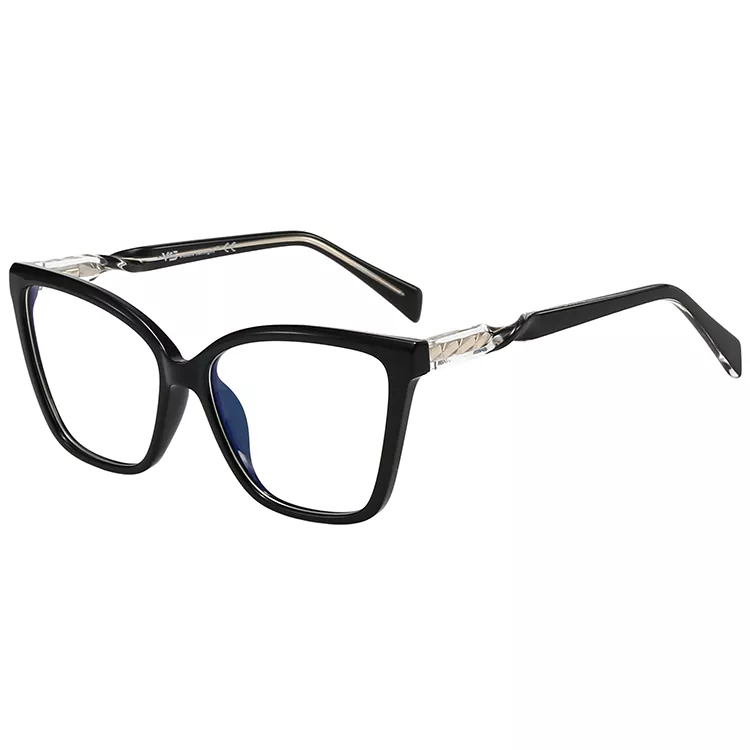

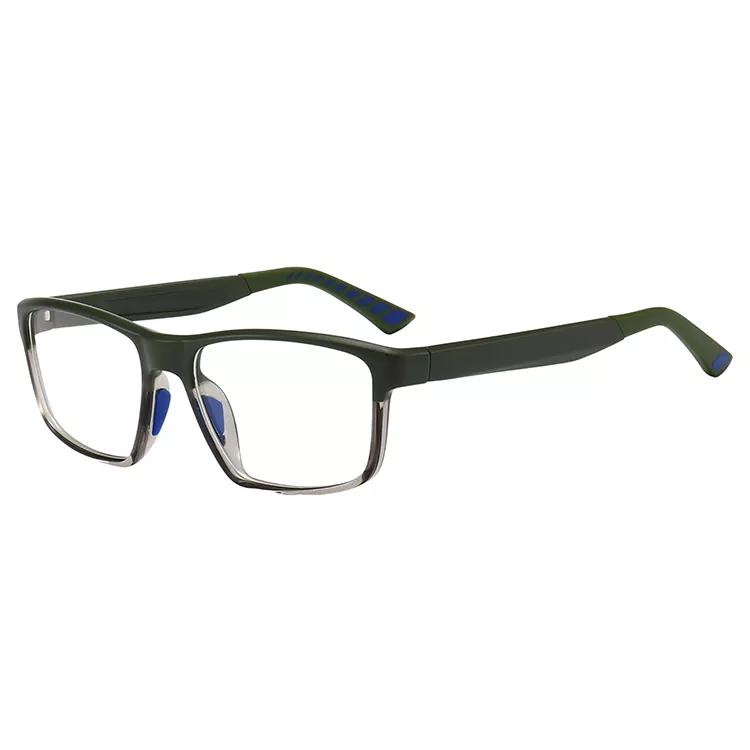
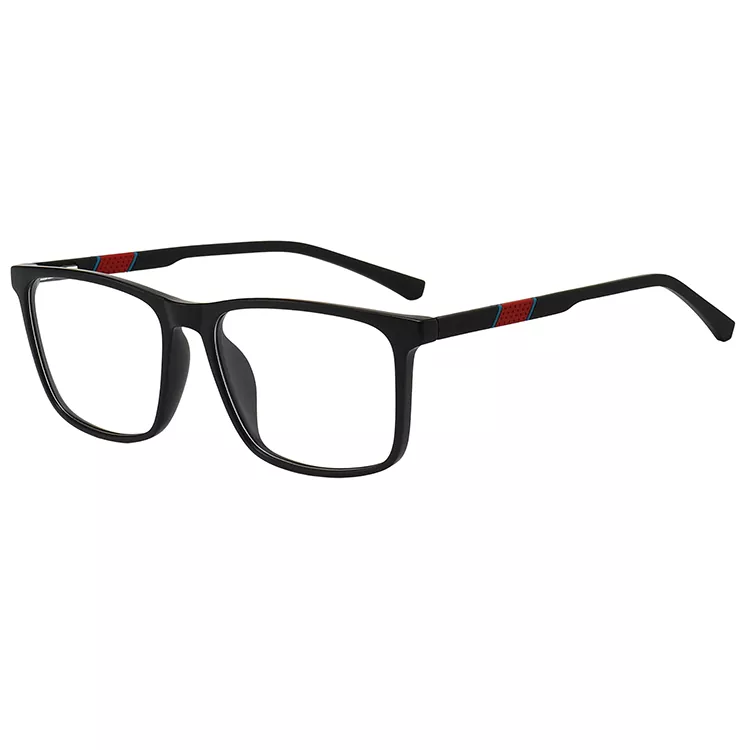
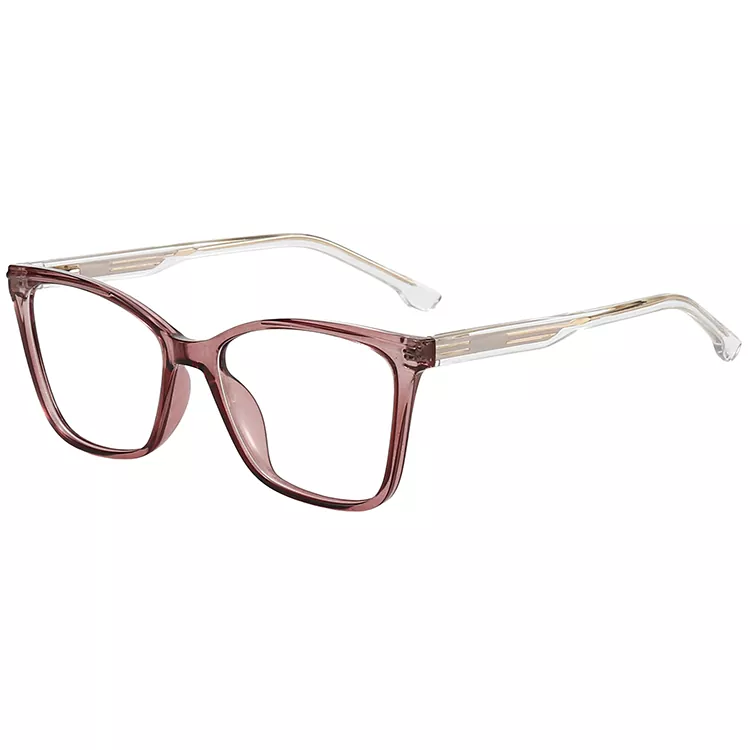
Chic Twisted Design CP Core Wire Temple Glasses
Model: BZ240839
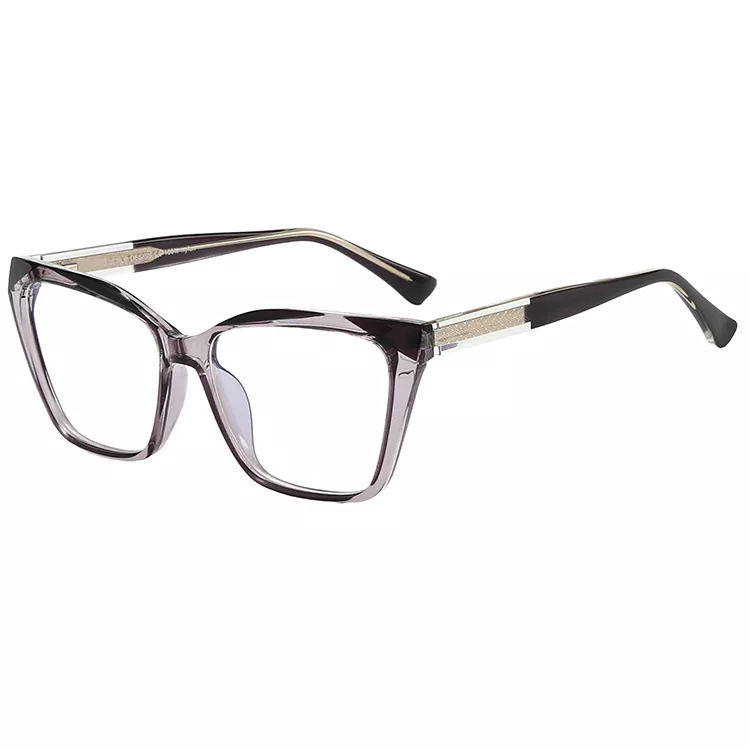
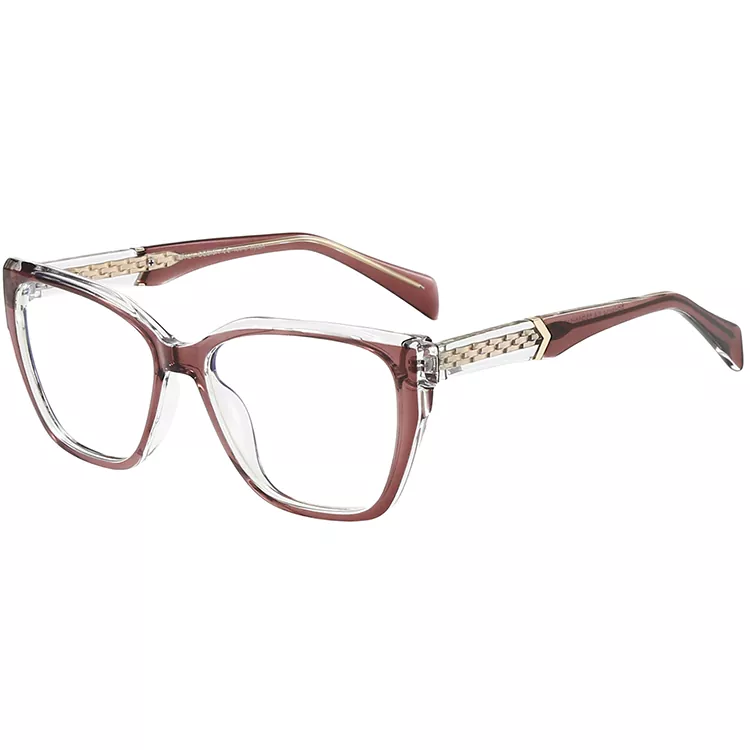
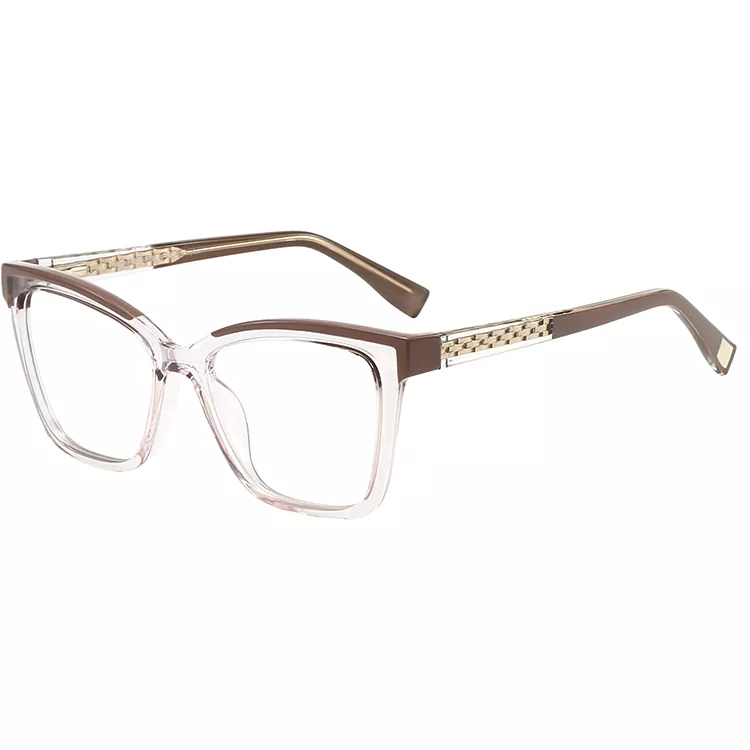
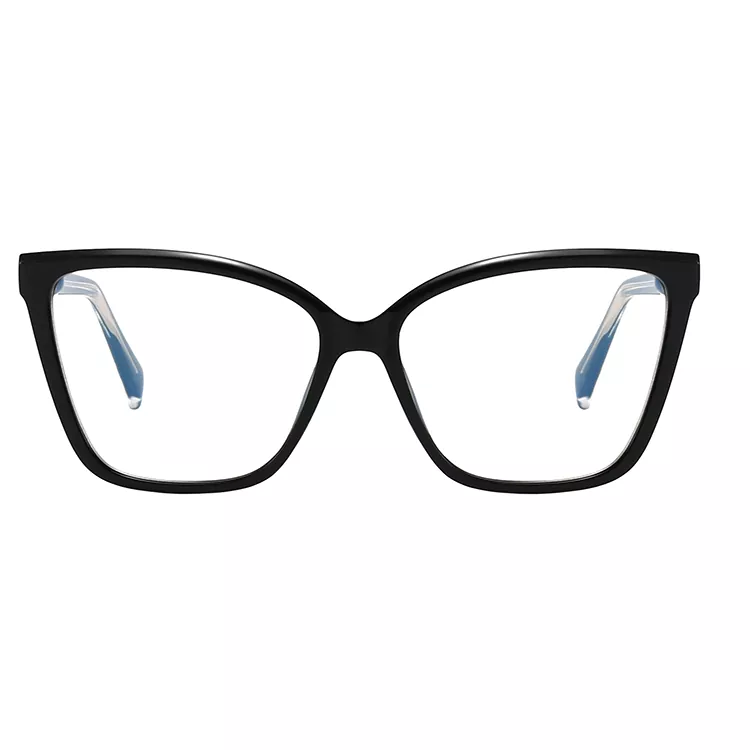
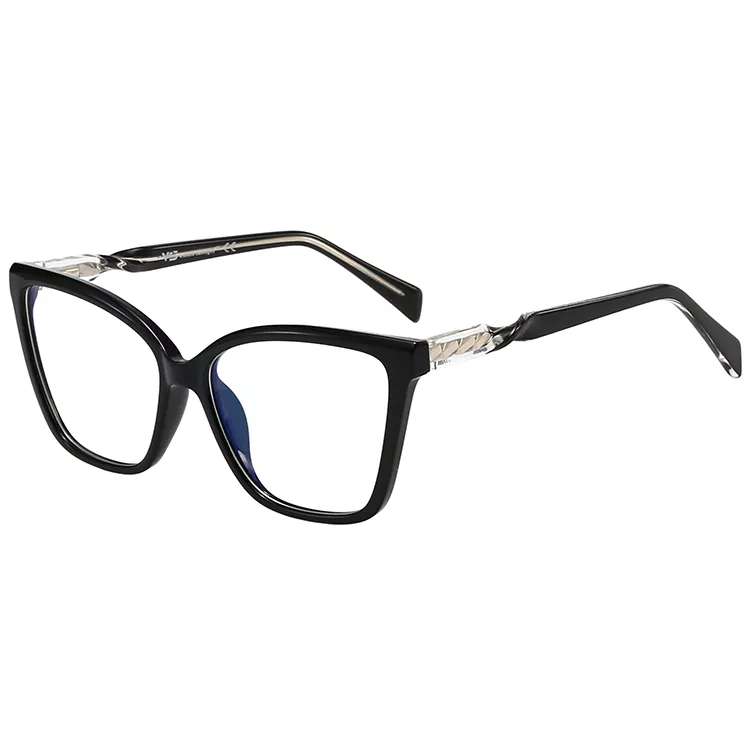
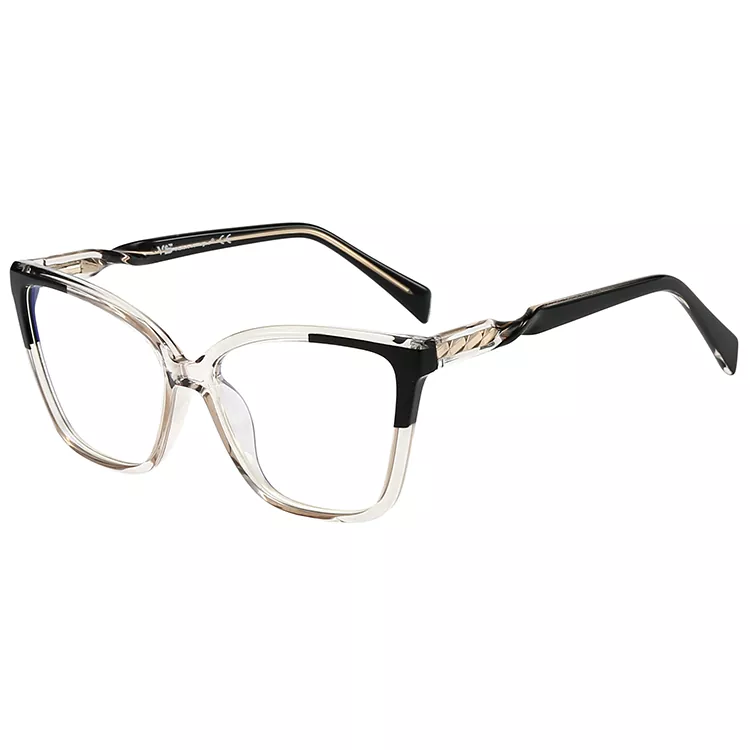
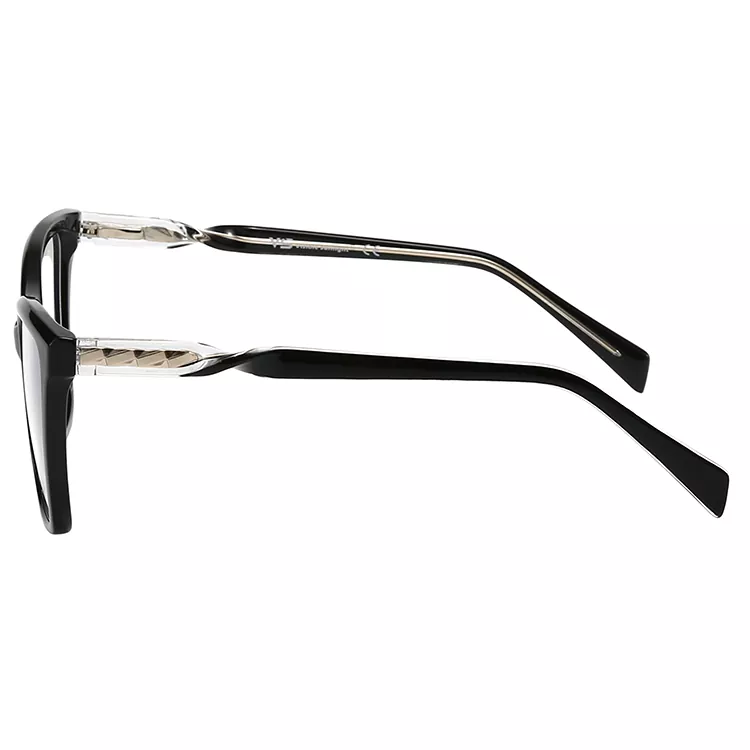
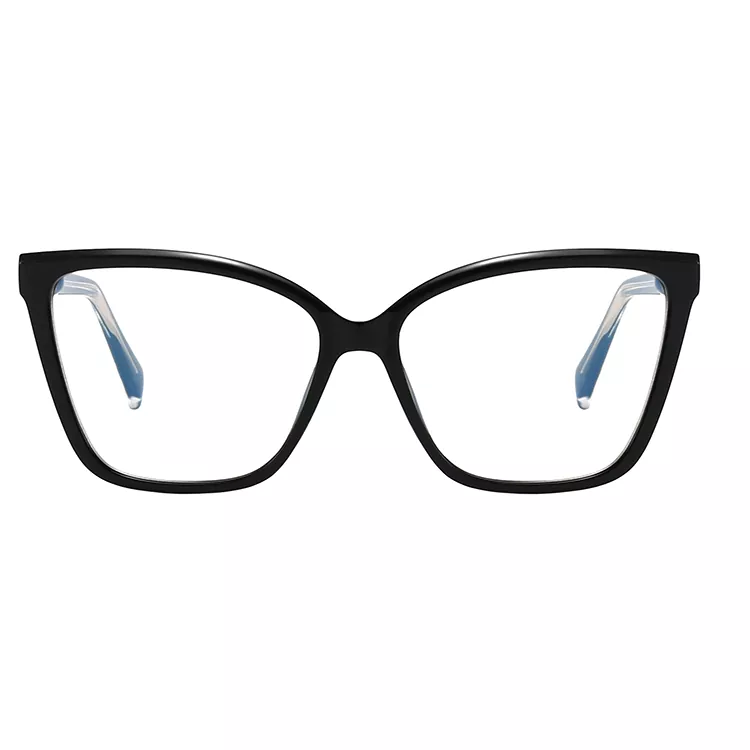
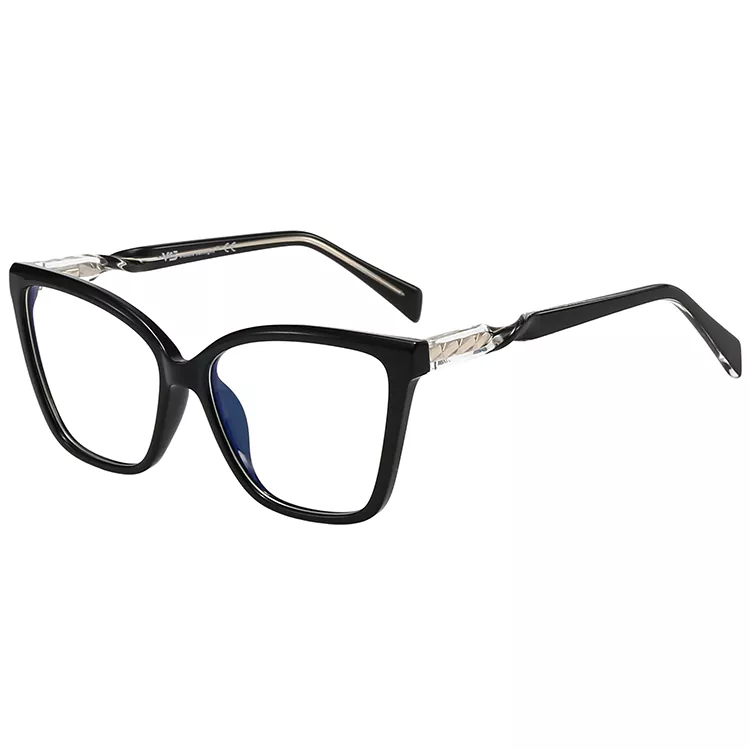
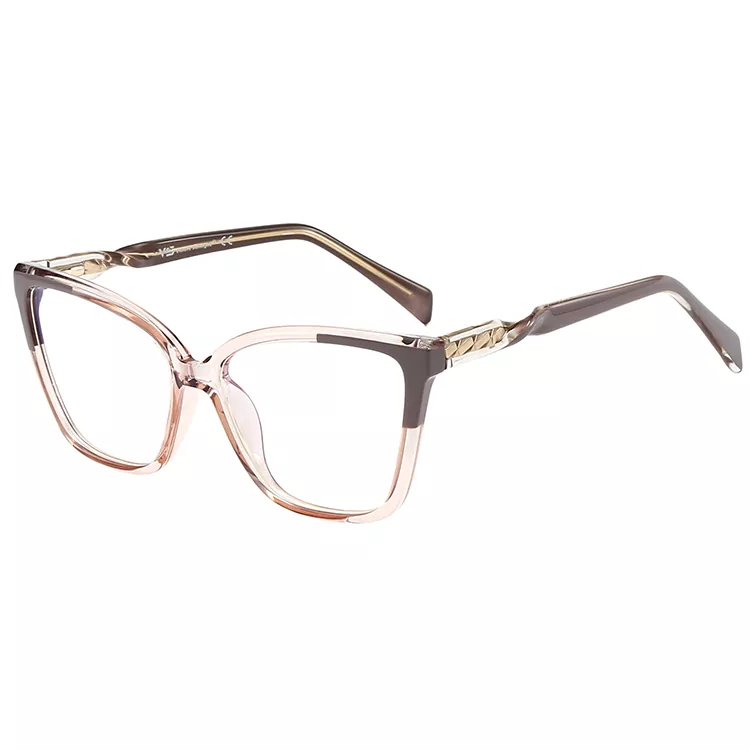
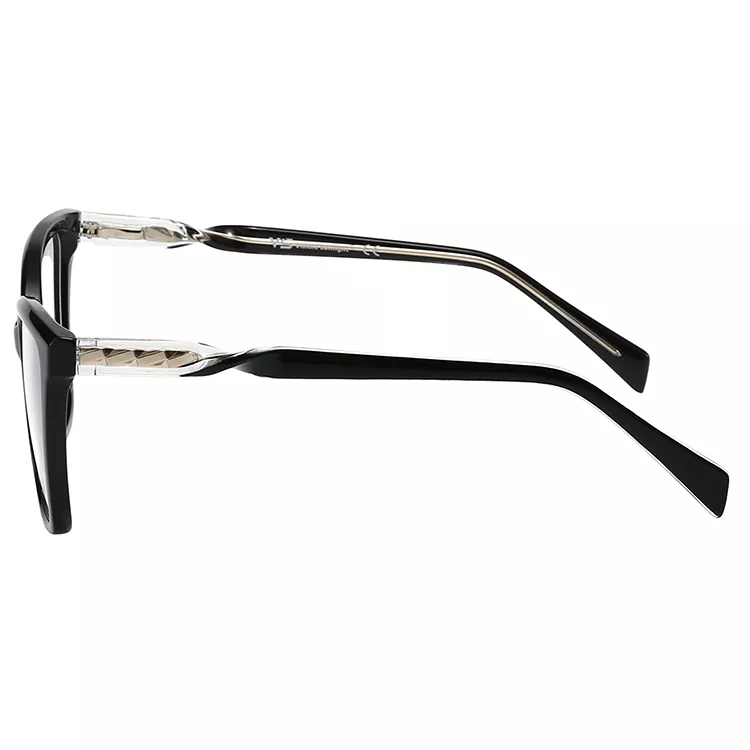
The Chic Twisted Design CP Core Wire Temple Glasses offered by Hongtu Eyewear are built around a sculpted square frame and a distinctive twisted temple structure. Three-dimensional cutting creates defined changes across the frame surface, while the temples use a rotational form rather than a conventional straight profile. A wire-core spring structure sits inside the CP temples, complemented by diamond-patterned metal flat needles for additional detail.
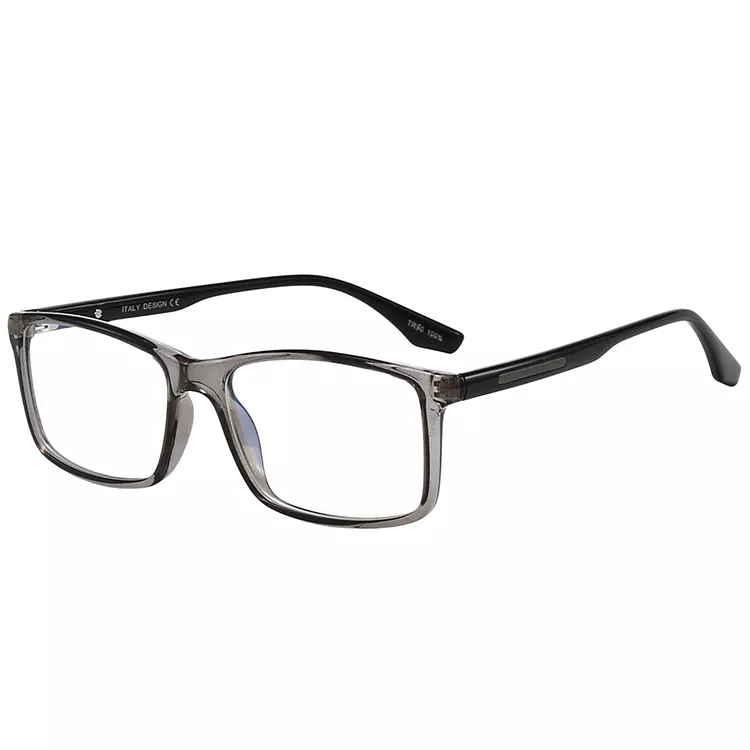
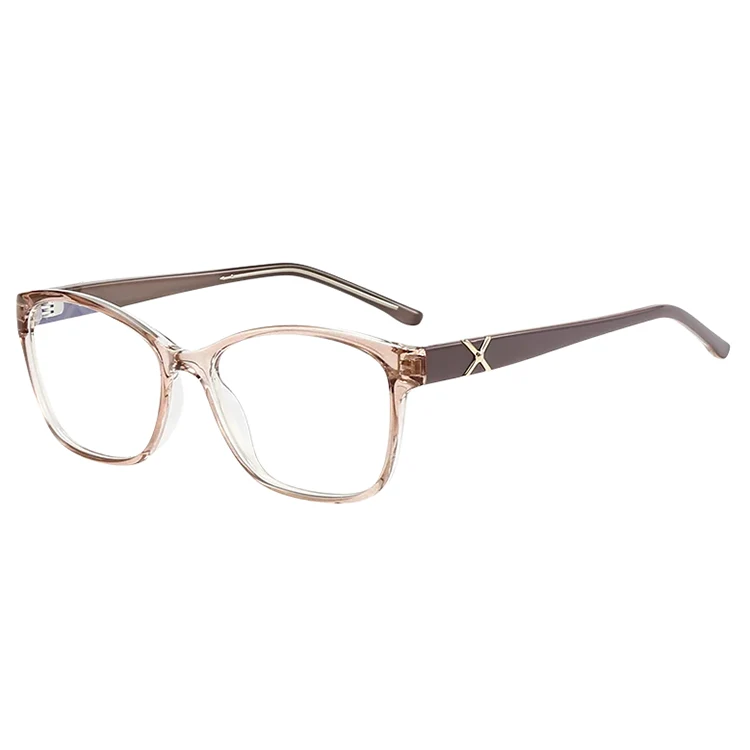
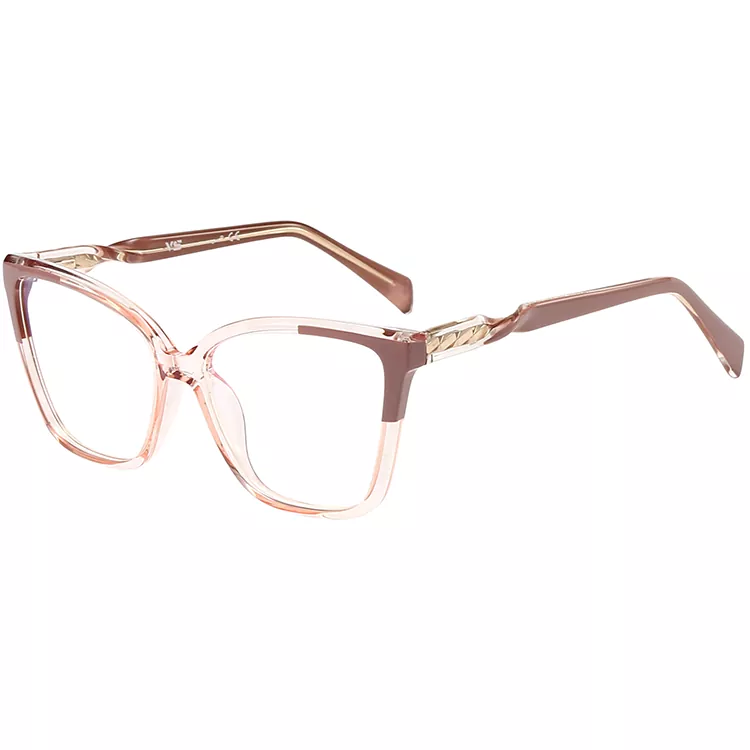
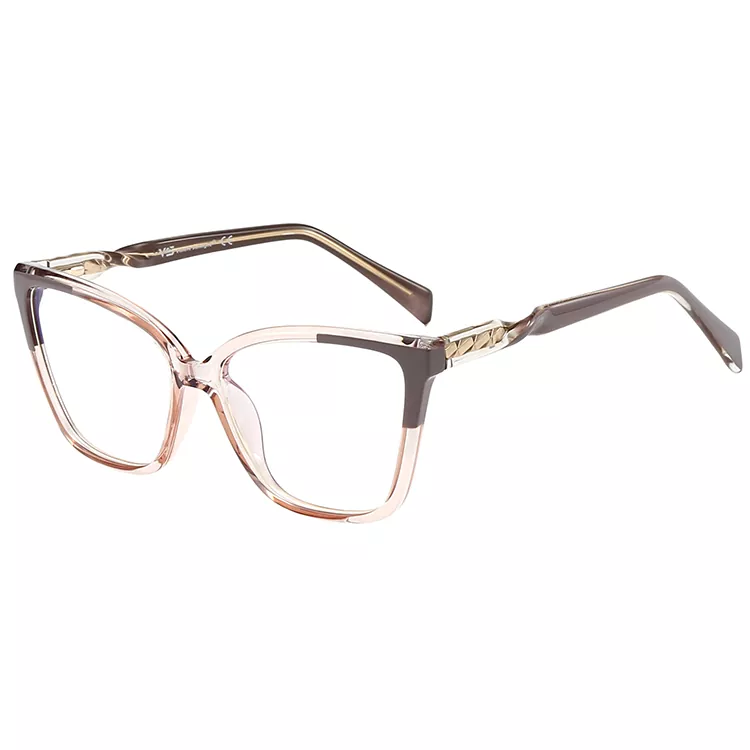
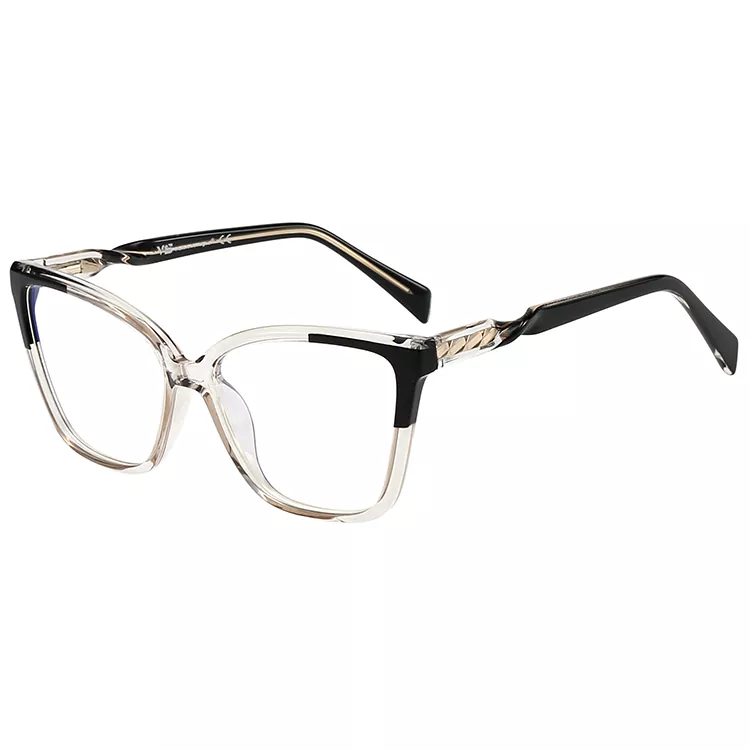
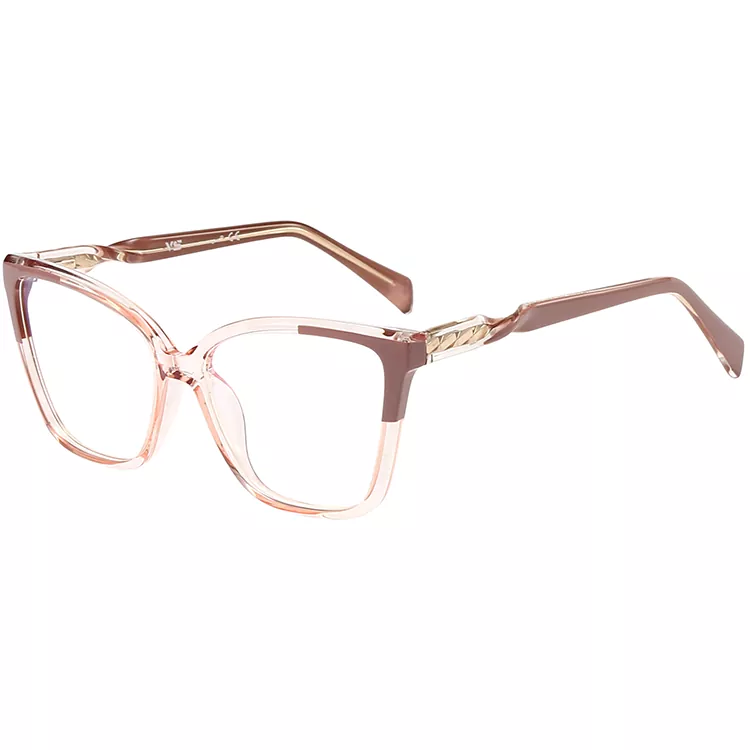
Hongtu Eyewear, a professional glasses manufacturer from China, develops Chic Twisted design CP Core Wire Temple Glasses, combining a TR90 front with CP temples to create a frame that depends as much on shaping and surface treatment as on basic material selection. The 55-17-142 mm format, transparent base, and multiple finish directions allow the same construction to take on a sophisticated black look, a softer transparent-brown appearance, or a lighter pink-and-brown color combination.
Dimensions
|
Parameter |
Specification |
|
Model Name |
Chic Twisted design CP Core Wire Temple Glasses |
|
Model No. |
BZ240839 |
|
Material |
TR90 Frame + CP Temple |
|
Temple Inner Core |
Wire Core Spring Temples |
|
Frame Shape |
Square (Twisted) |
|
Frame Color |
Transparent (Customizable) |
|
Size |
55-17-142 mm |
|
Lens Type |
Demo Lens / Prescription Lens Available |
|
Target Audience |
Unisex |
|
MOQ |
100pcs/Color; 400pcs/Model |
|
Origin |
Taizhou, China |
|
Logo Printing |
Custom Made |
|
Packaging |
1pc/opp bag, 12pcs/inner box, 25 inner boxes/carton, 300pcs/CTN |
Product Selling Points
1. Three-Dimensional Cutting Defines the Front Profile
The front frame uses three-dimensional surface cutting to create changes in height, edge direction, and light reflection across the molded surface. Instead of relying on a completely flat front, the controlled cuts give the square silhouette more depth and make the frame contours easier to distinguish from different viewing angles.
2. Twisted Temple Geometry Creates a Distinct Side Profile
The temples are formed with a twisted rotational shape rather than a straight, uniform side structure. This changes the way the temple catches light and creates a stronger three-dimensional effect along the side of the frame. Because the twisted geometry depends on controlled molding and material flow, consistency during production is particularly important.
3. Wire-Core Spring Temples Add an Internal Structural Layer
The CP temples contain an internal wire core and spring structure beneath the outer temple material. This construction provides an additional structural element inside the twisted temple while allowing controlled movement during opening and wearing.
4. Diamond-Patterned Metal Flat Needles
The temple detail uses a raised-and-recessed diamond pattern that produces changing metallic reflections as the frame moves. The textured metal surface adds a jewelry-inspired accent to the temple without covering the entire side section with decoration.
5. Different Finishes Change the Character of the Same Structure
The design can be presented in several visual directions. A fully black spray-painted finish gives the frame a more restrained appearance, transparent brown with gradient treatment creates a softer and more mature look, while pink transparent with brown accents introduces a lighter fashion direction. The underlying frame construction remains consistent while the finish changes the visual identity.
What Makes the Twisted Construction Different?
A conventional molded temple usually follows a relatively straight longitudinal shape. This design introduces rotation into the temple geometry, creating a changing cross-section along its length. As a result, the surface does not look identical from every angle, and the side profile becomes an important part of the frame's overall design.
The twisted structure also creates a stronger relationship between form and finishing. Transparent materials allow the three-dimensional shape to remain visible, while spray-painted or gradient surfaces emphasize the changing planes and edges created during molding.
How the Surface Cutting Changes the Visual Effect
Three-dimensional cutting is not simply a decorative line added to the finished frame. The treatment changes the geometry of the surface itself, producing defined transitions between different planes. These transitions affect how ambient light is reflected across the frame and can make the same color appear different from the front, side, and three-quarter views.
This is particularly noticeable on transparent and gradient versions, where the material allows more of the underlying geometry to remain visible. On darker finishes, the same cuts create subtler highlights and shadows rather than relying on color contrast alone.
TR90 Front + CP Twisted Temples
The frame combines TR90 for the front with CP for the temples. TR90 provides the molded front structure, while CP accommodates the internal wire core and spring mechanism used in the twisted temple design.
This mixed-material construction gives the front and temples different roles. The front focuses on controlled shape and surface treatment, while the temples integrate the internal wire structure with the more complex twisted outer form.
Why the Temple Is the Key Feature
From the front, the frame can read as a relatively clean square optical design. The stronger identity appears when the temples are viewed from the side, where the twist, metallic flat needle, and layered surface treatment become visible together.
This makes the frame suitable for collections where side-profile detailing is important. It provides a way to create differentiation without relying on oversized logos, excessive ornamentation, or a heavily decorated lens area.
Color and Finish Options
The transparent base provides a useful foundation for different finish directions. Fully black can emphasize the sculpted geometry through changes in light and shadow, while transparent brown allows the material depth to remain more visible. Pink transparent with brown accents introduces a lighter contrast and gives the same structure a more fashion-oriented appearance.
Additional color combinations can be considered for customized production, with the frame color, temple treatment, metallic detail, and other visible elements coordinated as part of the overall design.
Optical Fit & Lens Configuration
The 55-17-142 mm dimensions provide a 55 mm lens width, 17 mm bridge, and 142 mm temple length. These dimensions should be considered together when evaluating lens coverage, bridge position, and temple reach for the intended wearer.
The frame is supplied with demo lenses and can be fitted with prescription lenses. Final lens selection should take into account prescription power, lens material, lens thickness, and the required optical center rather than relying on frame size alone.
Manufacturing the Twisted Temple
The twisted temple is more process-sensitive than a simple straight molded temple because the final appearance depends on mold geometry, material flow, injection conditions, and dimensional consistency. A small deviation in the molding process can affect the continuity of the twisted surface and the alignment of the decorative details.
After molding, the temple surface may receive spray painting or other finishing treatments. For transparent and gradient versions, maintaining consistent color transitions is especially important because the underlying three-dimensional form remains visible through the material.
Quality Points for This Design
Important inspection points include the continuity of the twisted temple profile, alignment of the internal wire core, movement of the spring structure, positioning of the diamond-patterned metal detail, consistency of the surface finish, and final assembly with the TR90 front.
The combination of molded geometry and multiple components means that appearance and structural assembly need to be checked together rather than evaluated only after the completed frame is packed.
OEM/ODM Development
The Chic Twisted design CP Core Wire Temple Glasses provide several areas for customization without changing its basic concept. Development can include frame color, transparent or gradient treatment, temple finish, metal detail, logo application, packaging, and selected structural adjustments.
Physical samples or technical drawings can be used as development references. For a new twisted temple design, mold geometry and the relationship between the front frame and temple structure should be established before production so that the intended three-dimensional effect can be reproduced consistently.
Why Choose Hongtu Eyewear?
Our factory has more than 15 years of experience in eyeglass frame development and manufacturing, with production capabilities covering TR90 and CP injection-molded eyewear. The company also supports sample- and drawing-based OEM/ODM development.
This model is closely related to those capabilities because its construction requires both TR90 front-frame molding and CP temple processing, together with wire-core spring integration and detailed surface treatment.
Production Capabilities Relevant to This Model
The factory's injection molding capabilities cover TR90 processing, CP-related processes, and insert injection molding. Surface treatment facilities support gradient colors and multi-color effects that can be used to develop different visual versions of the twisted frame.
Development from an Existing Concept
Customized versions can begin from a physical sample, technical drawing, or an existing product concept. Frame proportions, twisted temple geometry, colors, metallic details, branding, and packaging can then be defined as part of the development process.
Use & Care Notes
The twisted temple is a shaped structural component and should not be repeatedly forced into a different form by hand. When opening or closing the glasses, use the normal movement of the spring mechanism rather than twisting the temple itself.
For frames with electroplated metal details or surface coatings, use a soft eyewear cloth and suitable cleaning materials. Avoid abrasive surfaces during storage to reduce unnecessary wear on the finish.
Q&A
Q: What does the “twisted design” refer to?
A: It refers primarily to the rotational geometry of the temple, where the side section changes direction along its length instead of following a completely straight profile. The front also uses three-dimensional cutting to reinforce the sculpted appearance.
Q: Is the twisted part only decorative?
A: The twisted geometry is a structural part of the molded temple design as well as a visual feature. It determines the side profile and how the surface reflects light.
Q: Why does the finish look different from different angles?
A: The three-dimensional cuts and twisted surfaces create multiple planes across the frame. Light therefore reflects differently from the front, side, and other viewing angles.
Q: What is inside the CP temples?
A: The specification lists wire core spring temples. The internal wire forms part of the temple structure and works with the spring mechanism to provide controlled movement.
Q: What is the purpose of the diamond-patterned metal detail?
A: The raised and recessed pattern creates additional texture and metallic reflection at the temple. It is mainly used to give the side profile a more detailed and refined appearance.
Q: Can the transparent color and finish be changed?
A: Yes. The frame color is listed as customizable, and different transparent, gradient, painted, and accent-color combinations can be discussed during OEM/ODM development.
Q: Can prescription lenses be fitted to this frame?
A: Yes. Demo lenses and prescription lenses are available. The final lens configuration should be selected according to the prescription and optical fitting requirements.
Q: Can a physical sample be used to develop a customized version?
A: Yes. Sample- and drawing-based development is supported. For this type of three-dimensional design, the sample or drawing can be used to establish the required frame contour, temple geometry, finish, and other details before production.
Hot Tags: Chic Twisted Design CP Core Wire Temple Glasses
Send Inquiry
Contact Info
-
Address
Glasses Entrepreneurship Park, Duqiao Town, Linhai City, Taizhou
-
Tel
-
Looking for TR90 Injection Glasses, CP Injection Temple Glasses, Colored Core Wire Temple Glasses or Combo Glasses? Send Hongtu your requirements for styles, materials, colors, logos, packaging and OEM/ODM customization.